Understanding CNC Machining of Stainless Steel Parts
CNC (Computer Numerical Control) machining is a pivotal technology in modern manufacturing, particularly for creating cnc machined stainless steel parts. This innovation transforms digital designs into physical components with unmatched precision and efficiency. Industries ranging from aerospace to automotive and medical applications benefit significantly from the capabilities of CNC machining.
What is CNC Machining?
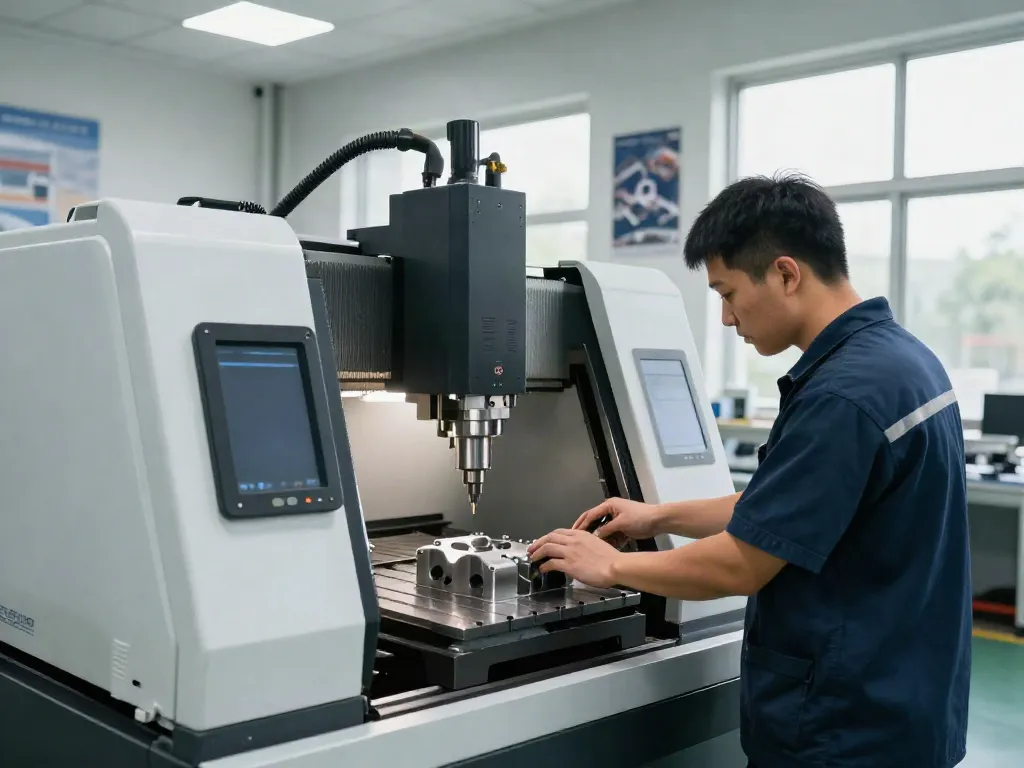
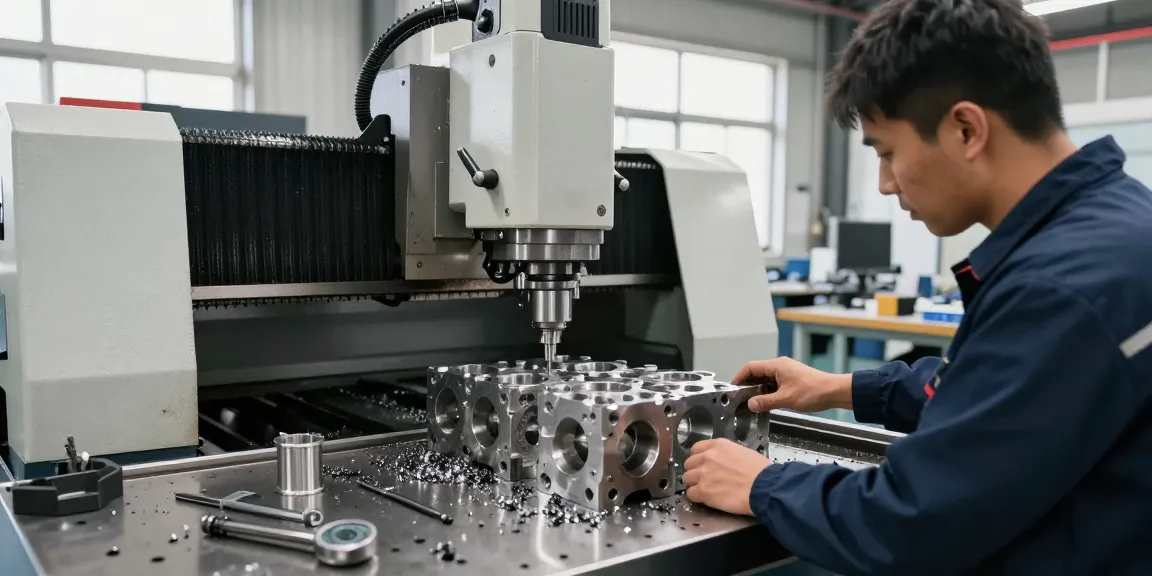
CNC machining involves using computer-controlled machines to shape, cut, and finish materials into desired components. The process begins with a CAD (Computer-Aided Design) model, which dictates the part's dimensions and specifications. The CNC machine interprets this design and executes the required operations, including milling, turning, and drilling, to produce intricate shapes and features that would be challenging to achieve through manual processes.
Benefits of Stainless Steel in Manufacturing
Stainless steel is a preferred material in CNC machining due to its remarkable properties. Here are some benefits:
- Corrosion Resistance: Stainless steel resists rust and stains, making it ideal for various environments.
- Strength and Durability: It possesses excellent tensile strength, making parts resilient and long-lasting.
- Versatility: Available in numerous grades, stainless steel can be tailored for specific applications.
- Aesthetic Appeal: Its polished finish adds a visually appealing aspect to machined parts.
Common Applications of CNC Machined Stainless Steel Parts
CNC machined stainless steel parts are integral across several industries, including:
- Aerospace: Engine components, brackets, and structural parts.
- Medical: Instruments, implants, and surgical tools.
- Food and Beverage: Processing equipment and hygienic fittings.
- Automotive: Engine components and exhaust systems.
- Manufacturing: Precision tools and fixtures.
Key Processes in CNC Machining
Overview of CNC Machining Processes
The CNC machining process encompasses various techniques tailored to meet specific production goals. A standard workflow includes:
- Material Selection: Choosing the right type of stainless steel based on the component's requirements.
- Programming: Creating a CNC program that dictates machine paths.
- Machining: Executing operations to produce the part.
- Finishing: Applying final touches for aesthetic or functional requirements.
- Inspection: Conducting quality control checks to ensure adherence to specifications.
Different Techniques for Stainless Steel Machining
There are several techniques to consider when machining stainless steel:
- Milling: Ideal for creating flat surfaces and complex geometries.
- Turning: Utilized for cylindrical parts, where material is rotated against a cutting tool.
- Drilling: For creating holes and recesses in stainless steel components.
- EDM (Electrical Discharge Machining): For parts requiring intricate details and tight tolerances.
Quality Control in CNC Machining
Maintaining high standards in quality control is essential to CNC machining. Techniques employed include:
- Dimensional Verification: Using calipers, micrometers, and gauges to measure dimensions.
- Visual Inspection: Checking for surface imperfections or flaws.
- Functional Testing: Assessing part performance under operational conditions.
- Statistical Process Control (SPC): Monitoring the manufacturing process to ensure consistent quality.
Choosing the Right Materials for CNC Machined Parts
Types of Stainless Steel Used in CNC Machining
Different grades of stainless steel offer unique properties that can enhance the performance of machined parts:
- 304 Stainless Steel: Known for its excellent corrosion resistance and formability; widely used in general manufacturing.
- 316 Stainless Steel: Offers superior corrosion resistance, making it ideal for marine and chemical environments.
- 410 Stainless Steel: A martensitic steel known for its hardness and wear resistance, suitable for applications requiring high strength.
- 17-4 PH Stainless Steel: Combines high strength with corrosion resistance, commonly used in aerospace components.
Factors Influencing Material Selection
When selecting materials for CNC machining, consider the following factors:
- Application Requirements: Specific needs such as strength, corrosion resistance, and weight.
- Cost: Budget constraints can limit material options, with various grades having different cost implications.
- Machinability: Some materials are easier to machine than others, affecting production time and costs.
- Availability: The supply chain may influence the choice of material depending on region and market conditions.
Comparing Stainless Steel to Other Materials
Stainless steel frequently competes with materials like aluminum, plastic, and carbon steel. Here are some comparisons:
- Aluminum: Lighter and easier to machine, but lacks the corrosion resistance of stainless steel.
- Plastic: More cost-effective and versatile for certain applications but generally less durable.
- Carbon Steel: Offers high strength but requires protective coatings to prevent corrosion, unlike stainless steel.
Industry Challenges in CNC Machined Stainless Steel Parts
Common Misconceptions in CNC Machining
Despite its advantages, CNC machining faces several misconceptions:
- Only for Large Production Runs: CNC machining is effective for low-volume production, allowing for custom parts without substantial overhead.
- High Cost: While initial setups can be expensive, the long-term savings from efficiency and precision often outweigh costs.
- Limited to Simple Shapes: CNC can produce highly complex geometries, offering endless design possibilities.
Addressing Precision and Tolerance Issues
Achieving the required precision and tolerances is paramount in CNC machining. Key considerations include:
- Machine Calibration: Regular calibration of CNC machines to maintain accuracy.
- Tool Selection: Choosing the right cutting tools for specific materials and operations.
- Process Monitoring: Implementing real-time monitoring systems to detect deviations from specified tolerances.
Overcoming Cost and Material Waste Challenges
Costs and material wastage can be significant challenges in CNC machining. Strategies to mitigate these include:
- Optimized Toolpath Planning: Reducing excessive tooling movements and shortening cycle times.
- Material Recycling: Implementing recycling programs for scrap material to minimize waste.
- Technological Investments: Investing in advanced CNC technologies that enhance efficiency and reduce waste over time.
Future Trends in CNC Machined Stainless Steel Parts
Emerging Technologies in CNC Machining
As industries evolve, the air of technological innovation continues to shape CNC machining practices. Notable trends include:
- 3D Printing Integration: Combining CNC machining with additive manufacturing to create complex parts with reduced lead times.
- Advanced Materials: Development of new alloys and composite materials that enhance performance.
- IoT and Connectivity: Integrating Internet of Things (IoT) technologies for improved monitoring and predictive maintenance.
Impact of Automation and AI on Manufacturing
Automation and artificial intelligence are transforming CNC machining, leading to:
- Enhanced Efficiency: Automated systems streamline production and reduce human error.
- Predictive Maintenance: AI algorithms can predict equipment failures before they occur, reducing downtime.
- Customization: Allowing for more customized production runs without significantly increasing costs.
Predictions for the CNC Machining Industry by 2026
Looking ahead, the CNC machining industry is expected to experience significant growth and transformation by 2026, characterized by:
- Increased Demand: A rise in demand for precision parts across various sectors, particularly in aerospace, automotive, and medical industries.
- Sustainability Efforts: Greater emphasis on sustainable practices, including material recycling and energy-efficient processes.
- Skill Development: A focus on upskilling the workforce to handle advanced technologies and maintain competitiveness.
What are the advantages of CNC machined stainless steel parts?
CNC machined stainless steel parts offer durability, versatility, and resistance to corrosion, making them advantageous for various industries.
How can I ensure precision in CNC machining?
Ensuring precision involves regular calibration of machines, careful selection of tools, and employing rigorous quality control measures throughout the machining process.
What industries use CNC machined stainless steel parts?
CNC machined stainless steel parts are utilized in aerospace, automotive, medical, and food and beverage industries, among others, where precision and performance are critical.
Can CNC machining accommodate custom designs?
Yes, CNC machining can accommodate custom designs, enabling manufacturers to create parts tailored to specific application needs.
What are the future technologies impacting CNC machining?
Future technologies, including automation, AI integration, and advances in material science, are expected to enhance CNC machining capabilities and efficiency.