Understanding Precision CNC Machining Services
CNC machining has become an essential process in the manufacturing landscape, particularly since the turn of the millennium. With advancements in technology and an increasing demand for precision, industries are turning to precision cnc machining supplier services to meet their needs. Understanding the intricacies of CNC machining can significantly impact the quality, efficiency, and cost-effectiveness of production processes.
What is CNC Machining and Its Importance?
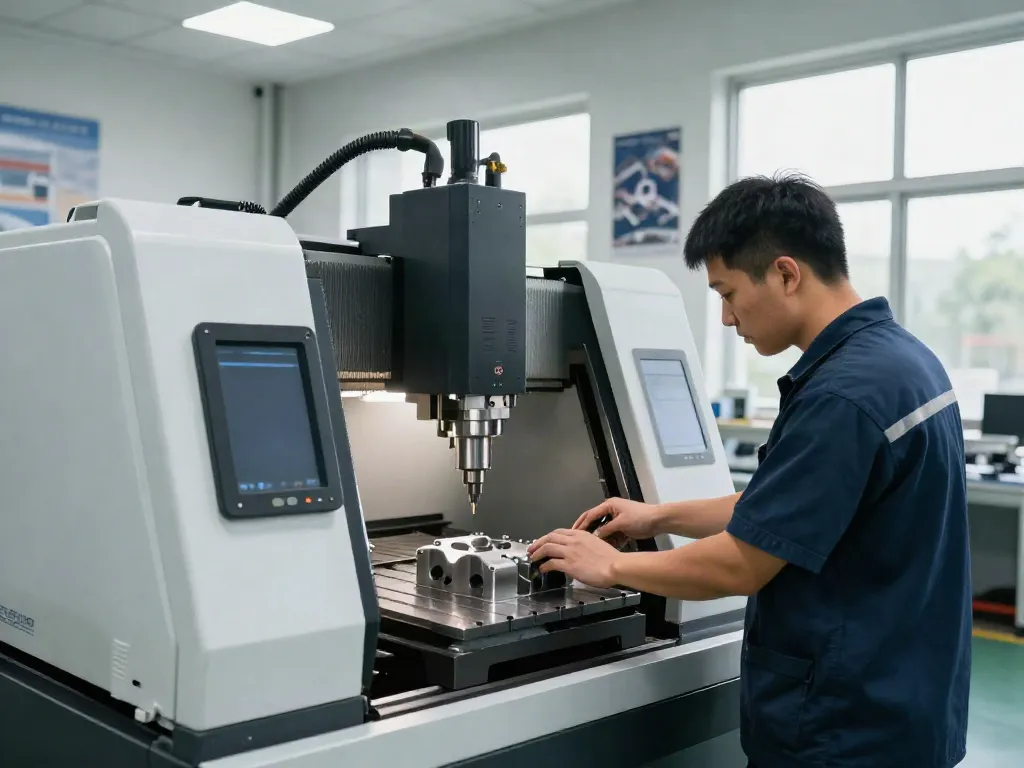
CNC (Computer Numerical Control) machining is a manufacturing process that utilizes computer-controlled tools to create parts and components from various materials. The significance of CNC machining lies in its ability to produce complex shapes and designs with high accuracy and repeatability. This process is crucial for industries such as aerospace, automotive, medical, and electronics, where precision and reliability are paramount.
Key Benefits of Precision CNC Machining
- High Precision: CNC machining can achieve tolerances of ±0.001 inches or better.
- Efficiency: Automated processes reduce production time and labor costs.
- Flexibility: CNC machines can handle various materials, including metals, plastics, and composites.
- Consistency: CNC machining ensures uniformity across batches, vital for quality control.
- Complex Geometries: The ability to create intricate designs that would be impossible with traditional machining methods.
Common Applications Across Industries
The applications of CNC machining are vast and varied. Common uses include:
- Aerospace: Production of components that require strict adherence to regulations and high-performance standards.
- Medical: Manufacturing surgical instruments, implants, and medical devices with precision.
- Automotive: Production of gears, brackets, and other critical components that demand durability.
- Electronics: Creation of housings and components for electronic devices that require intricate designs.
Choosing the Right Precision CNC Machining Supplier
Selecting the appropriate CNC machining supplier is crucial for ensuring quality and service excellence. Factors to consider include the supplier's machinery capabilities, quality assurance practices, and customer support services.
Evaluating Supplier Capabilities and Technologies
When assessing potential suppliers, it's vital to evaluate their technological capabilities. This includes examining their machinery and software, as well as their capacity to handle various materials. A forward-thinking supplier will invest in the latest CNC machines and technologies, ensuring faster turnaround times and better quality control.
Quality Assurance Practices in CNC Machining
Quality assurance (QA) is a critical element of CNC machining. Look for suppliers that employ rigorous QA processes, including inspection at every stage of production, from initial material procurement to final product delivery. Certifications such as ISO 9001 can indicate a supplier's commitment to quality management standards.
Cost Considerations and Service Agreements
Understanding the cost structure of CNC machining services is essential for budgeting. Factors such as material costs, machine time, and labor can influence pricing. Additionally, negotiating service agreements that outline delivery timelines, revision policies, and payment terms can help establish a transparent and collaborative partnership.
Top Precision CNC Machining Techniques in 2026
As we progress into 2026, several techniques stand out in the field of precision CNC machining, driven by innovations in technology and material science.
Emerging Technologies in CNC Machining
Advancements in CNC machining technology, such as additive manufacturing integration, offer new possibilities for producing complex geometries that are lightweight yet strong. Additionally, the rise of multi-axis machining allows for more intricate designs to be crafted in a single setup, reducing lead times and costs.
Best Practices for Precision Machining
To achieve optimal results in CNC machining, several best practices should be implemented:
- Regular Maintenance: Keeping machines in top condition to avoid breakdowns and ensure precision.
- Skilled Operators: Training operators in both programming and machine handling enhances efficiency and reduces mistakes.
- Advanced Software: Utilizing CAD/CAM software for design and programming can improve accuracy and reduce setup times.
Case Studies of Innovative Applications
Numerous industries have successfully implemented innovative CNC machining applications. For example, in the aerospace sector, manufacturers utilize CNC milling to create lightweight yet robust components that meet stringent safety regulations. In the medical field, prototyping using CNC technology has accelerated the development of customized implants and surgical tools.
Trends Impacting Precision CNC Machining Suppliers
The precision CNC machining industry is evolving rapidly, influenced by technology, market demands, and global challenges.
Market Trends and Consumer Expectations
As consumer expectations shift towards customization and rapid delivery, CNC machining suppliers must adapt by embracing flexible manufacturing systems. The ability to quickly pivot production lines and accommodate unique orders will become a competitive advantage.
Environmental Sustainability in CNC Machining
With an increasing emphasis on sustainability, CNC machining suppliers are adopting eco-friendly practices, such as reducing waste and energy consumption. Implementing recycling programs for scrap materials can also contribute to environmental responsibility.
The Role of Automation and AI in Precision Machining
Automation and artificial intelligence are becoming integral to the CNC machining process. AI-driven predictive maintenance can optimize machine performance, while automation reduces human error, enhances production speed, and improves consistency.
Frequently Asked Questions
What makes a precision CNC machining supplier stand out?
A supplier that distinguishes itself in the market typically offers a combination of advanced technology, exceptional quality assurance practices, and excellent customer service. Their ability to respond promptly to changes in demand and their commitment to sustaining long-term relationships with clients also play a critical role.
How do I ensure consistent quality in CNC machined parts?
Consistency in quality can be achieved by partnering with a supplier that employs thorough quality control measures, including routine inspections and certifications. Regular audits of the manufacturing process can also be beneficial.
What are the common challenges in CNC machining?
Challenges in CNC machining often include issues with tooling, machine wear, and programming errors. Additionally, material availability and fluctuating costs can also pose significant hurdles.
How can I reduce costs without sacrificing quality?
Strategies for cost reduction include optimizing designs to minimize machining time, selecting appropriate materials, and establishing long-term contracts with suppliers to lock in favorable pricing.
What future developments should suppliers prepare for?
Suppliers must stay abreast of advancements in technology, including new materials and machining techniques, while also being prepared to adopt automation and AI solutions to enhance efficiency and reduce human intervention.