Understanding the Role of Glass Cutting Machines in Manufacturing
In the modern manufacturing landscape, glass cutting machines have become indispensable tools for a variety of industries, including construction, automotive, and interior design. They play a crucial role in enhancing productivity and precision, enabling manufacturers to produce high-quality glass products efficiently. As glass cutting machine manufacturer like Eworld Machine continue to innovate and develop advanced technologies, understanding the functionalities and benefits of these machines is essential for businesses seeking competitive advantages.
What is a Glass Cutting Machine?
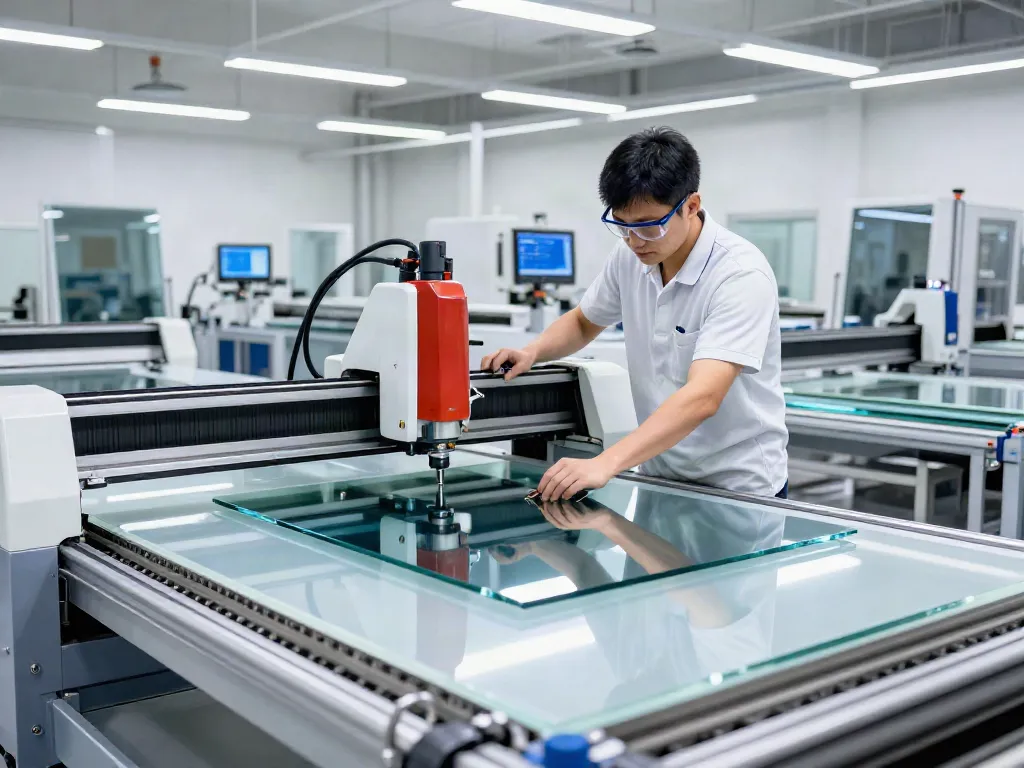
A glass cutting machine is specialized equipment designed to score and cut glass sheets into specific shapes and sizes. These machines utilize various cutting methods, including manual, automatic, and CNC (Computer Numerical Control) technologies, to ensure high precision and efficiency. Depending on the application, glass cutting machines can handle different types of glass, such as tempered, laminated, and Low-E (low emissivity) glass, making them versatile assets in glass processing facilities.
Types of Glass Cutting Machines Available
- Manual Glass Cutters: These are handheld devices used for small-scale operations, allowing operators to score the glass and manually break it along the score line.
- Automatic Glass Cutting Machines: These machines automate the scoring and cutting process, often featuring advanced technologies for speed and precision, making them suitable for large-scale production.
- CNC Glass Cutting Machines: CNC machines utilize software to control the cutting process, allowing for complex shapes and designs, and ensuring repeatability and high accuracy.
- Water Jet Cutting Machines: By using high-pressure water jets mixed with abrasives, these machines can cut through glass without shattering it, ideal for intricate designs.
Benefits of Using Advanced Glass Cutting Technology
Integrating advanced glass cutting machines into manufacturing processes offers numerous benefits:
- Increased Efficiency: Automated cutting machines reduce manual labor and increase production speed, allowing manufacturers to meet high demand with less downtime.
- Enhanced Precision: CNC and automated machines provide superior accuracy in cuts compared to manual methods, minimizing waste and ensuring consistency in the final product.
- Versatility: Many machines can be adapted to cut different types of glass, accommodating diverse client needs while improving the manufacturer's market reach.
- Cost Savings: By reducing material waste and labor costs, businesses can improve their profitability over time.
Choosing the Right Glass Cutting Machine Manufacturer
Selecting the right glass cutting machine manufacturer is critical for ensuring that your production meets quality standards while maintaining operational efficiency. With many options available, buyers must make informed decisions based on several key factors.
Key Factors to Consider When Selecting a Manufacturer
- Reputation and Experience: Look for manufacturers with a proven track record in the industry, such as Eworld Machine, which has been producing glass machinery since 2002.
- Technical Support: Reliable technical support and customer service are crucial for troubleshooting and maintenance needs, ensuring minimal downtime.
- Product Range: A manufacturer that offers a wide range of glass cutting equipment can better cater to varied production needs.
- Certifications: Ensure that the manufacturer complies with international quality standards, which can impact the reliability and safety of their machines.
Top Features to Look for in a Glass Cutting Machine
When evaluating a glass cutting machine, consider the following features:
- Scoring Systems: Automatic scoring systems improve speed and consistency, particularly for large production runs.
- Software Integration: Machines that can easily integrate with design software enable smoother workflows and efficient design alterations.
- Safety Features: Machines should have robust safety measures to protect operators from potential hazards associated with glass handling and cutting.
- Energy Efficiency: As sustainability concerns grow, energy-efficient machines can reduce operational costs and impact on the environment.
Common Mistakes to Avoid in Your Buying Journey
Many buyers make mistakes that can lead to costly implications. Here are a few common pitfalls to avoid:
- Not Defining Requirements: It is essential to clearly define the production needs and specifications before approaching manufacturers.
- Overlooking Support: Failing to evaluate the manufacturer’s post-sale support can lead to challenges in machine maintenance and operation.
- Ignoring Total Cost of Ownership: Consider not just the initial purchase price, but also the long-term operational costs, including maintenance and energy consumption.
Performance Metrics for Glass Cutting Machines
Understanding performance metrics is vital for evaluating the efficacy of glass cutting machines. Metrics should encompass both efficiency and output quality.
Measuring Efficiency and Output Quality
Efficiency in glass cutting can be measured through:
- Cutting Speed: The faster a machine can cut without compromising quality, the more efficient the production process.
- Material Utilization: Effective machines minimize waste, ensuring that as much glass as possible is used in the final products.
- Downtime: Tracking machine downtime due to maintenance will provide insights into reliability and operational efficiency.
How to Evaluate the Cost-Effectiveness of Your Investment
To assess cost-effectiveness, consider the following:
- Break-Even Analysis: Conduct an analysis to determine how long it will take to recoup the investment based on production volume and cost savings.
- Return on Investment (ROI): Calculate ROI by comparing the benefits gained from new machinery against the total costs over time.
- Comparative Studies: Analyze performance across different machines to identify which options yield the best results for your specific needs.
Best Practices for Maintaining High Performance
Routine maintenance and operational best practices can significantly enhance the performance of glass cutting machines:
- Regular Inspections: Conduct thorough inspections periodically to identify wear and tear on crucial components.
- Cleaning Protocols: Implementing a cleaning routine prevents debris and glass shards from interfering with machine operations.
- Staff Training: Ensure that operators are adequately trained in the proper use and maintenance of the machinery.
Emerging Trends in Glass Cutting Technology for 2026
The glass cutting industry is rapidly evolving, with new technologies and trends shaping the future of manufacturing. Staying informed can give companies a competitive edge.
Innovations Shaping the Future of Glass Manufacturing
Recent advancements include:
- AI Integration: Artificial intelligence is being utilized for predictive maintenance, optimizing production schedules, and improving quality control.
- Smart Machines: Smart technologies enable real-time monitoring and adjustments, enhancing decision-making processes during production.
- Customization Features: New software allows for more customization in designs, catering to specific client demands and enhancing market competitiveness.
The Impact of Automation on Production Efficiency
Automation continues to revolutionize glass manufacturing by:
- Reducing Labor Costs: Automated systems decrease the need for manual labor, allowing companies to focus on skilled tasks.
- Enhancing Speed: Automated machines increase the speed of production, enabling manufacturers to meet tighter deadlines.
- Improving Accuracy: Automation reduces the potential for human error, leading to higher quality production.
How Sustainability is Influencing Glass Cutting Practices
With increasing environmental concerns, sustainability is influencing glass cutting practices in several ways:
- Recycling Initiatives: Many manufacturers are adopting recycling methods to utilize waste glass efficiently, contributing to sustainable production cycles.
- Energy-Saving Technologies: The development of energy-efficient machines is reducing the carbon footprint of glass manufacturing operations.
- Eco-Friendly Materials: Some companies are innovating with eco-friendly glass alternatives, responding to consumer demand for sustainable products.
Frequently Asked Questions about Glass Cutting Machines
How much does a glass cutting machine cost?
The cost of a glass cutting machine can vary widely based on features, technology, and manufacturer. Basic manual machines can start at a few hundred dollars, while high-end CNC machines can range from tens of thousands to over a hundred thousand dollars.
What maintenance is required for glass cutting machines?
Regular maintenance is essential for optimal operation. This includes cleaning the machine, checking for wear on cutting tools, lubricating moving parts, and ensuring all safety systems are functional.
Can glass cutting machines be used for different materials?
Many advanced glass cutting machines are designed to cut various materials, including acrylics, plastics, and certain metals, depending on the technology used.
What safety measures should be taken when using glass cutting machines?
Safety measures include using personal protective equipment (PPE), ensuring proper machine guarding, training staff on safe operating procedures, and keeping work areas clear of hazards.
How to train staff on using glass cutting technology effectively?
Effective training involves hands-on practice, understanding the machine's features and operational protocols, and ongoing education regarding updates in technology and safety regulations.