Understanding the Automatic Bag Palletizer Machine
In today's fast-paced industrial landscape, efficiency and productivity are paramount. One critical element in streamlining operations is the use of automated machinery, particularly in the handling and packaging of products. Among these innovations, the automatic bag palletizer machine stands out as a game-changer for businesses. This sophisticated equipment is designed to automate the process of stacking bags onto pallets, thus reducing both labor costs and human error while increasing throughput.
What is an Automatic Bag Palletizer Machine?
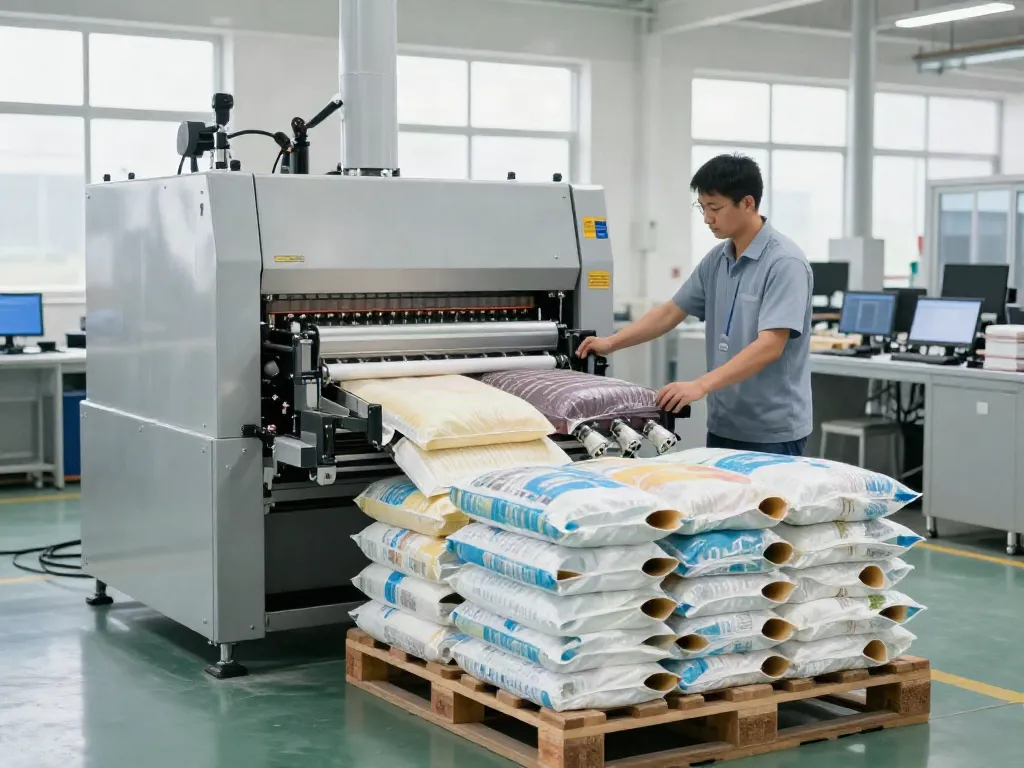
An automatic bag palletizer machine is a mechanical system that organizes and stacks bags onto pallets in a predetermined configuration. These machines can handle various types of bags, including those containing granular materials, powders, and even bulk items. By employing advanced technology, such as robotics and computer controls, these systems achieve high levels of precision and efficiency, making them indispensable in manufacturing, food processing, and logistics.
Key Features of Automatic Bag Palletizers
- Flexibility: Capable of adapting to different bag sizes and shapes, the machine can easily switch between product types without extensive reconfiguration.
- Speed: Automatic bag palletizers can operate at high speeds, palletizing dozens of bags per minute, which significantly reduces the time required for manual palletizing.
- Accuracy: These machines ensure precise stacking, which is essential for maintaining load stability and safety during transportation.
- User-Friendly Interface: Equipped with intuitive controls and monitoring systems, operators can easily manage and adjust settings without extensive training.
- Integration Capabilities: Modern palletizers can be integrated seamlessly into existing production lines, enhancing overall efficiency.
Benefits of Implementing Automation in Bag Handling
The advantages of adopting an automatic bag palletizer machine are substantial. First and foremost, companies can expect a significant reduction in labor costs. By automating monotonous tasks, businesses can reallocate human resources to more skilled positions, fostering a more versatile workforce. Furthermore, the enhanced speed of operations leads to higher output levels, allowing businesses to meet growing customer demands without compromising quality.
Choosing the Right Automatic Bag Palletizer for Your Business
When considering an investment in an automatic bag palletizer, it is crucial to assess your specific operational requirements. The right choice can drive business success and enhance production capabilities. Various elements must be taken into account, such as the types of bags you will use, your production volume, and the floor space available for machinery.
Factors to Consider When Selecting a Palletizer
- Bag Type: Ensure that the palletizer is compatible with the types of bags you intend to use, whether they are open-mouth, valve bags, or others.
- Production Rate: Determine the required palletizing speed to meet your production targets.
- Space Constraints: Evaluate your production area to ensure there is adequate space for installation and operation of the palletizer.
- Budget: Consider the total cost of ownership, including initial purchase price, operational costs, and maintenance.
Different Types of Automatic Bag Palletizers
Automatic bag palletizers can be categorized into several types based on their design and operation:
- Robotic Palletizers: These utilize robotic arms to pick and place bags onto pallets, offering flexibility for various bag types and configurations.
- Conventional Palletizers: Typically designed for high-volume operations, these machines use mechanical arms or forks to stack bags.
- Hybrid Systems: Combining features of robotic and conventional palletizers, hybrid options can be tailored to specific operational needs.
Evaluating Cost vs. ROI for Automation
Investing in an automatic bag palletizer is significant, making the evaluation of cost versus return on investment (ROI) critical. Factors to consider include initial purchase price, installation expenses, and the potential for cost savings through improved efficiency. Businesses should also analyze the long-term benefits, including reduced labor costs, lower risk of workplace injuries, and increased production capacity.
Implementing Effective Strategies with an Automatic Bag Palletizer Machine
Successfully integrating an automatic bag palletizer into your existing workflow requires careful planning and execution. Understanding the operational needs and challenges will allow you to develop effective strategies that maximize the advantages of automated systems.
Integrating Automated Systems into Your Workflow
Begin by assessing your current workflow to identify bottlenecks and areas for improvement. Consider how the palletizer will fit into your production line and synchronize with other equipment. Collaboration with your suppliers can provide insights into the best practices and configurations for optimal performance.
Best Practices for Maintenance and Operation
- Regular Training: Ensure that your operators are trained regularly on how to operate and maintain the machine effectively.
- Scheduled Maintenance: Establish a routine maintenance schedule to prevent breakdowns and extend the lifespan of the equipment.
- Real-Time Monitoring: Use performance metrics and sensors to monitor the palletizer's operation, allowing for quick adjustments and troubleshooting.
Common Challenges and How to Overcome Them
While implementing an automatic bag palletizer can lead to numerous benefits, challenges may arise. Common issues include machinery jams, misalignment of bags, and integration difficulties. To address these, it is crucial to maintain open communication with technical support and ensure your team is prepared to handle troubleshooting effectively.
Real-World Applications and Case Studies
Numerous industries have successfully integrated automatic bag palletizers into their operations, reaping the benefits of improved efficiency and reduced labor costs. Here, we will explore some success stories and the impact these machines have had on various sectors.
Success Stories: Companies Thriving with Automation
Companies such as ABC Packaging and XYZ Food Solutions have reported enhanced productivity and reduced labor costs since implementing automatic bag palletizers. For instance, ABC Packaging experienced a 30% increase in output after integrating a robotic palletizer into its processing line, allowing them to expand their customer base significantly.
Industry-Specific Applications of Bag Palletizers
Different industries utilize bag palletizers in unique ways:
- Agriculture: Automated systems can handle heavy bags of feed, fertilizer, and seeds efficiently, reducing physical strain on workers.
- Food and Beverage: Bag palletizers streamline the packaging process for flour, sugar, and other dry goods, ensuring hygiene and speed.
- Chemicals: In environments handling hazardous materials, automatic palletizers minimize human contact, enhancing workplace safety.
Lessons Learned from Automation Implementation
Companies often learn valuable lessons through their automation journeys, such as the importance of tailoring the technology to fit specific needs and the necessity of ongoing training for staff. These insights can guide businesses considering similar implementations in the future.
Future Trends and Innovations in Bag Palletizing
As technology continues to evolve, so do the capabilities of automatic bag palletizers. Staying abreast of these trends can help businesses adapt and thrive in an ever-competitive marketplace.
The Impact of AI and Robotics on Bag Handling
Artificial intelligence and robotics are reshaping the landscape of bag handling and palletizing. AI-driven systems can learn from their environment and optimize operations based on real-time data, significantly enhancing efficiency.
Emerging Technologies in Automatic Palletizing
New technologies such as machine learning algorithms and smart sensors are becoming integral to modern palletizers. These advancements improve performance and reliability, ensuring that machines adapt effectively to changing production demands.
Preparing for the Future of Automated Manufacturing in 2026
As we move towards 2026, businesses must prioritize flexibility and scalability in their automation strategies. Embracing emerging technologies will enable companies to remain competitive and meet the evolving needs of their customers.
How much does an automatic bag palletizer machine cost?
The cost of an automatic bag palletizer machine varies significantly based on its type, features, and manufacturer. Entry-level models may start around $50,000, while high-end, fully automated systems can exceed $200,000. It's essential to factor in maintenance and operational costs when evaluating your budget.
What types of products can be processed using bag palletizers?
Bag palletizers are versatile and can process a wide range of products, including food items, agricultural products, chemicals, and building materials. This flexibility allows businesses in various sectors to benefit from automation.
Are there eco-friendly options for palletizing systems?
Yes, many manufacturers now offer eco-friendly options, such as machines designed to minimize energy consumption or use recyclable materials. Investing in sustainable practices can enhance your company's image while reducing operational costs.
How do automatic bag palletizers improve workplace safety?
By automating the palletizing process, these machines reduce the need for manual handling, significantly lowering the risk of workplace injuries. Furthermore, automatic systems can be equipped with safety features, such as emergency stops and sensors to prevent accidents.
What maintenance is required for robotic bag palletizers?
Maintaining robotic bag palletizers involves regular inspection of mechanical components, software updates, and routine cleaning. It's also advisable to establish a maintenance schedule to avoid unexpected downtime and ensure longevity.