Understanding TradingView and Its Core Features
As the financial landscape continues to evolve, traders and investors need tools that not only enhance their trading strategies but also integrate seamlessly with their workflows. One such tool, tradingview, stands out as a powerful platform that combines comprehensive charting capabilities with a vibrant social community. This article seeks to explore the core features of TradingView, how it enables traders to make informed decisions, and tips for leveraging this platform effectively.
What is TradingView?
TradingView is a cloud-based charting platform and social network used by traders and investors worldwide. Launched in 2011, it has gained immense popularity due to its robust features and user-friendly interface. The platform allows users to create real-time charts, analyze market trends, and share insights with a community of like-minded individuals. With millions of active users, TradingView has become a go-to resource for both new and seasoned traders seeking to enhance their trading strategies.
Key Tools and Features of TradingView
- Real-Time Data: TradingView provides real-time data from a multitude of markets, including stocks, forex, and cryptocurrencies. This immediacy allows traders to react quickly to market changes.
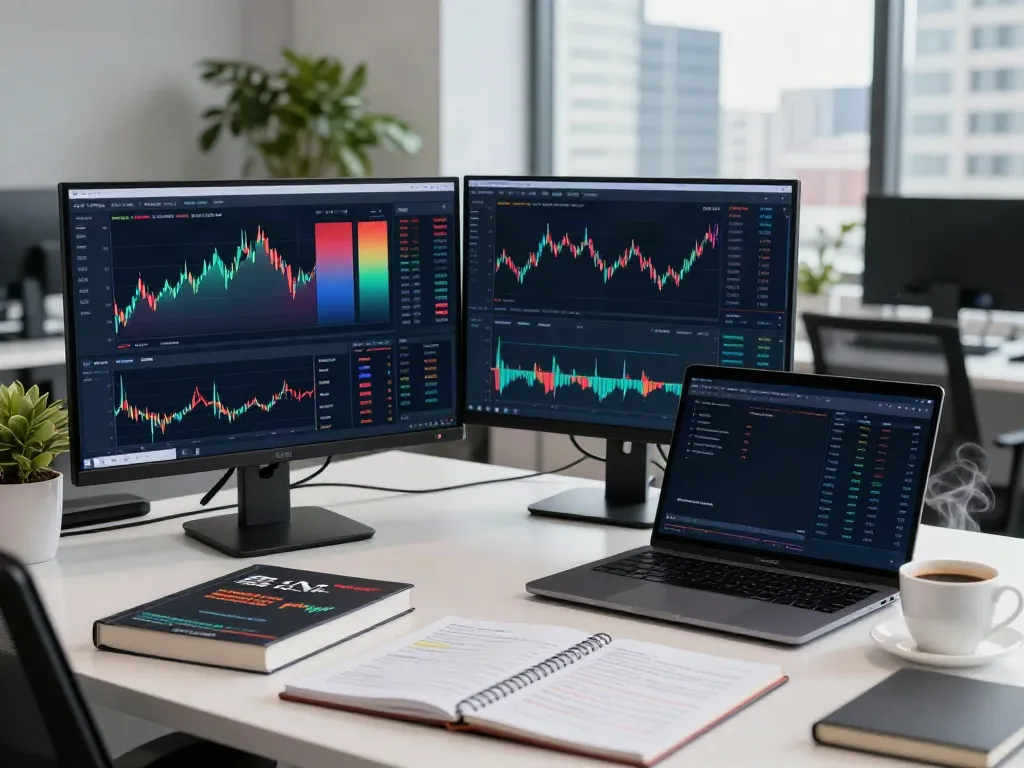
- Customizable Charts: Users can customize their charts with a variety of technical indicators, drawing tools, and different chart types like candlestick, line, and bar charts.
- Social Networking: The platform incorporates social features, enabling users to share strategies, ideas, and analysis publicly or privately, fostering a collaborative trading environment.
- Alerts and Notifications: Setting up alerts for price movements or indicators helps traders stay focused on critical thresholds without constant monitoring.
- Script Editor: TradingView includes a powerful scripting language, Pine Script, allowing users to create custom indicators and strategies tailored to their specific trading needs.
How TradingView Enhances Trading Strategies
By providing a comprehensive set of tools and a supportive community, TradingView enhances traders' capabilities. For example, users can backtest strategies using historical data, helping to identify potential weaknesses before deploying them in live environments. Additionally, the ability to analyze diverse markets within one platform streamlines the trading process, enabling traders to make informed decisions based on a broad spectrum of data.
Getting Started with TradingView
Creating Your TradingView Account
Starting with TradingView is straightforward. Users can create a free account, which offers access to basic features. For more advanced tools and functionalities, such as additional indicators or ad-free experience, premium plans are available. Registration is simple, requiring only an email and a password, or users can opt to sign up using their existing social media accounts for quicker access.
Customizing Your Workspace and Layout
Once registered, users can customize their workspace to fit their trading style. TradingView allows multiple chart layouts and the option to arrange tools and panels according to personal preference, ensuring a personalized and efficient trading experience. Furthermore, themes can be adjusted for a more comfortable visual experience, especially during long trading sessions.
Understanding Chart Types and Tools
TradingView offers various chart types, each suited for different analytical approaches. For instance, candlestick charts are favored for their detail in price movement, while line charts provide a straightforward overview of price trends. Users can employ various tools, such as drawing lines, Fibonacci retracements, and moving averages, to gain insights into market behavior and make educated trading decisions.
Advanced Trading Techniques Using TradingView
Using Technical Indicators Effectively
Technical indicators are essential tools for traders looking to analyze market data and forecast future price movements. TradingView supports a wide range of indicators, including moving averages, MACD, and RSI, which can be easily implemented into charts. Understanding how to use these indicators effectively allows traders to identify trends and reversals, craft strategies, and manage risks.
Setting Up Alerts for Market Movements
Alerts are a critical feature for active traders. TradingView enables users to set price alerts or indicator-based alerts that notify them when specific conditions are met. This feature is particularly useful in volatile markets, where timely responses can significantly affect trading outcomes. Users can customize alert notifications to be sent via email, SMS, or in-app notifications, ensuring they stay updated on market movements.
Integrating Social Trading Features
The social aspect of TradingView cannot be overstated. Users can follow experienced traders, engage in discussions, and even copy trading strategies. This collaboration can be invaluable for new traders seeking mentorship or insights. By integrating social trading features, TradingView fosters a sense of community that enhances the overall trading experience.
Common Pitfalls and Misconceptions
Debunking Myths About TradingView
Despite its popularity, several misconceptions surround TradingView. One common myth is that it is solely a tool for day traders. In reality, TradingView serves a diverse range of trading styles, from day trading to long-term investing. Additionally, some believe that the platform’s extensive features are overwhelming; however, its user-friendly interface and customizable options make it accessible for all levels of traders.
Common Mistakes New Users Make
New users often underestimate the importance of comprehensive chart analysis. Relying solely on a few indicators without considering market context can lead to poor trading decisions. Moreover, failing to utilize the vast educational resources available on TradingView can hinder a trader's growth. Engaging with the community and leveraging educational content can significantly enhance users' trading knowledge.
How to Avoid Trading Over-reliance on Tools
While TradingView offers powerful tools, traders must remain vigilant against over-reliance. It is crucial to develop a solid trading plan based on personal research and strategies rather than solely depending on software outputs. Understanding the market fundamentals and maintaining discipline in trading practices can lead to more sustainable success.
Future Trends in Trading Platforms for 2026
Emerging Technologies in TradingView
Looking forward to 2026, we anticipate numerous technological advancements impacting trading platforms like TradingView. Enhanced artificial intelligence capabilities will likely facilitate more sophisticated algorithmic trading strategies. Additionally, the integration of machine learning for predictive analytics will empower traders to make more informed decisions based on historical data.
Predictions for Social Trading Evolution
Social trading will continue to evolve, with increased integration of social features within trading platforms. Expect to see platforms that allow for real-time sharing of strategies and market insights, making it easier for users to collaborate across geographical boundaries. This could lead to collective trading decisions based on community insights, enhancing the effectiveness of shared knowledge.
How TradingView Plans to Innovate in the Coming Years
TradingView is committed to continuous improvement and innovation, focusing on user experience and advanced trading tools. As the platform grows, features such as enhanced backtesting capabilities and more advanced chart analysis tools are expected. Additionally, user feedback will play a critical role in shaping future developments, ensuring the tool meets the evolving needs of the trading community.
What are the Most Common Issues with TradingView?
Despite its many strengths, users may encounter issues like occasional lag during peak market times or challenges with mobile usability. Moreover, while the free version offers many features, some advanced tools require a subscription, which could be a barrier for casual traders. Awareness of these potential pitfalls can help users manage their expectations and optimize their TradingView experience.
Can You Use TradingView for Long-Term Investments?
Absolutely! While TradingView is widely recognized for its day trading features, it is also suitable for long-term investors. The platform’s comprehensive charting capabilities and robust analysis tools allow users to assess long-term trends and make data-driven investment decisions. This versatility makes TradingView valuable for various trading and investment strategies.
What are the Best Practices for TradingView Users?
To maximize the benefits of TradingView, users should engage with the community, continually educate themselves about market trends, and develop a trading plan. Regularly utilizing the platform's educational resources and participating in discussions can enhance overall trading knowledge and effectiveness. Keeping records of trades and learning from past decisions can also lead to improved future performance.
Is TradingView Suitable for Beginners?
Yes, TradingView is highly suitable for beginners. The platform’s user-friendly design, extensive educational resources, and supportive community make it an excellent choice for those new to trading. Additionally, the option to start with a free account allows beginners to explore its features without incurring any costs initially.
How to Leverage TradingView for Day Trading?
Day traders can leverage TradingView's real-time data, charting tools, and alert systems to make quick decisions. Utilizing the platform's customizable layouts and multiple chart views can assist day traders in monitoring various asset classes simultaneously. Moreover, setting up alerts for specific price levels can help traders stay proactive, enabling them to capitalize on short-term opportunities effectively.