Understanding Containerized Water Treatment Systems
In an era where water scarcity is becoming increasingly prevalent, the demand for innovative and effective water treatment solutions is paramount. Containerized water treatment systems are revolutionizing the way industries and municipalities approach water purification, providing a modular and flexible alternative to traditional systems. These systems are designed to be deployed quickly and efficiently, allowing for the production of safe drinking water regardless of the quality of incoming water. With the capability to be relocated and reused, these containerized solutions are proving indispensable to projects in varied settings, from urban centers to remote locations.
When exploring options, water treatment systems Supplier can provide comprehensive insights into the latest technologies and best practices in the industry. This article delves into the benefits, applications, and advanced features of these systems while also guiding you on how to choose the right supplier.
What are Containerized Water Treatment Systems?
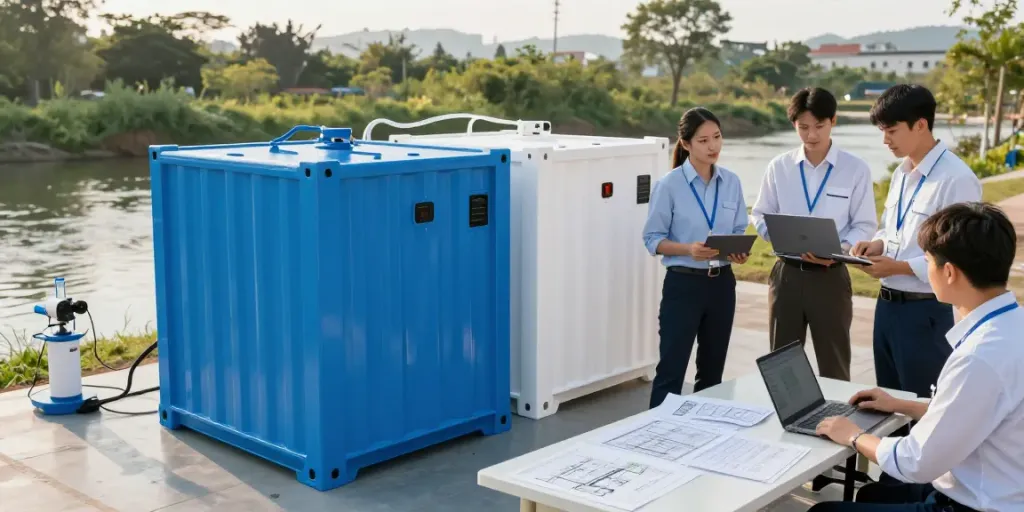
Containerized water treatment systems are portable, modular units specifically designed to treat water in a variety of settings. These systems encompass all the processes found in a traditional water treatment plant, including filtration, disinfection, and purification, but packaged within a transportable structure. Made to handle diverse water qualities, containerized systems can produce drinking water, industrial process water, or wastewater treatment efficiently and effectively. By utilizing advanced technologies, such as reverse osmosis (RO) and electro-deionization (EDI), these systems deliver high-purity water for various applications.
Key Benefits Over Traditional Systems
- Rapid Deployment: Unlike traditional setups that require extensive construction and planning, containerized systems can be operational in as little as 3-7 days.
- Space Efficiency: These systems dramatically reduce the on-site footprint, requiring only flat ground for placement, thus saving up to 50% of floor space.
- Quality Control: Factory prefabrication ensures consistent quality through standardized inspections. Additionally, an intelligent control system allows for real-time monitoring of water quality.
- High Reusability: Containerized systems can be relocated easily, with a reusability rate exceeding 90%, making them a sustainable option for various projects.
- Resource Recycling: Advanced features enable the integration of reclaimed water reuse modules, improving resource recycling rates up to 80%.
Applications in Municipal and Industrial Sectors
Containerized water treatment systems serve a wide range of applications across municipal and industrial sectors. In municipal settings, they help provide safe drinking water to communities, especially in areas affected by natural disasters or where traditional systems are inadequate. For industrial applications, such systems supply high-purity water essential for processes in pharmaceuticals, textiles, food production, and power generation. Their adaptability makes them a perfect fit for projects spanning from construction sites to remote mining operations, showcasing the versatility of this modern solution.
Evaluating Water Treatment Systems Suppliers
Choosing the right supplier for water treatment systems requires careful consideration of various factors that ensure you receive quality products and support. It's essential to understand what to look for in a supplier to ensure you select the best option for your needs.
Criteria for Choosing a Supplier
When evaluating suppliers, consider these critical criteria:
- Experience: Look for suppliers with a proven track record in the water treatment industry, especially those specializing in containerized solutions.
- Product Range: Ensure the supplier offers a comprehensive range of systems and technologies that cater to your specific requirements.
- Technical Support: Choose a supplier that provides robust technical support and can assist with installation, maintenance, and troubleshooting.
- Compliance with Regulations: Verify that the supplier adheres to local and international standards for water treatment, ensuring their systems are safe and effective.
Assessing Quality and Compliance Standards
Quality assurance plays a crucial role in the success of water treatment systems. Suppliers should demonstrate compliance with relevant regulatory standards, including certifications that verify the effectiveness and safety of their products. Look for compliance with ANSI/NSF standards, as well as any local regulations that apply to your area, ensuring that the water treatment systems you invest in meet the highest quality benchmarks.
Understanding Supplier Reputation and Customer Feedback
Researching a supplier's reputation through customer testimonials, case studies, and third-party reviews can provide a clear picture of their reliability and service quality. Engage with existing customers or seek out online forums to gain insights into their experiences with the supplier, which can help you make an informed decision.
Advanced Features of Containerized Solutions
Containerized water treatment systems are equipped with cutting-edge features that set them apart from traditional alternatives. Understanding these advanced technologies can help stakeholders appreciate their value better.
Modular Design and Flexibility
The modular design of containerized systems allows for easy customization based on specific water treatment needs. This flexibility enables the integration of various treatment technologies—such as UV disinfection, activated carbon filtration, and chemical dosing modules—tailored to the incoming water quality and desired output.
Real-time Monitoring and Control Technologies
Modern containerized systems come equipped with intelligent control systems that support real-time monitoring of water quality parameters. Remote operation capabilities allow operators to adjust settings and troubleshoot issues without needing to be on-site, enhancing efficiency and responsiveness.
Integration of Reclaimed Water Reuse Modules
The ability to integrate reclaimed water reuse modules into containerized systems greatly enhances the sustainability of water management practices. This integration allows for the treatment and recycling of wastewater, ensuring that valuable water resources are conserved and utilized effectively.
Case Studies: Successful Implementations
To illustrate the effectiveness of containerized water treatment systems, let's explore some successful case studies that demonstrate their application across different sectors.
Municipal Water Supply Cases
One notable example is the deployment of containerized systems in a disaster-stricken area where the existing water infrastructure was compromised. Within days, a containerized solution was operational, supplying safe drinking water to thousands of residents. This rapid deployment not only showcased the system's effectiveness but also highlighted how it can be a crucial asset during emergencies.
Industrial Applications and Results
In the manufacturing sector, a containerized water treatment system was installed at a textile production facility to supply high-purity water needed for dyeing processes. The system's efficiency allowed the facility to meet environmental regulations while significantly reducing water waste, demonstrating the dual benefits of operational efficiency and compliance.
Remote Area Deployments and Their Impact
A mining project located in a remote desert area faced challenges in sourcing water for its operations. A containerized water treatment system was brought in to treat groundwater, ensuring a reliable supply of water while minimizing environmental impact. This deployment exemplified the system's adaptability and its ability to support critical industries in challenging locations.
Future Trends in Water Treatment Systems
The water treatment industry is rapidly evolving, with several trends expected to shape the landscape by 2026 and beyond. Understanding these trends will help stakeholders prepare for changes in technology, regulations, and practices.
Emerging Technologies for 2026 and Beyond
Advancements in filtration technologies, such as membrane bioreactors and nanofiltration, are expected to become more prevalent in containerized systems. These innovations will enhance water quality and operational efficiency, presenting opportunities for further applications in various sectors.
Regulatory Changes Affecting Suppliers
As environmental standards become more stringent globally, suppliers of water treatment systems will need to adapt to comply with these regulations. This will necessitate ongoing investment in research and development to innovate and produce compliant solutions that meet evolving market demands.
Sustainability and Resource Recycling Initiatives
With increasing awareness of water scarcity and environmental impact, there will be a growing emphasis on sustainability within the water treatment sector. Suppliers will focus on developing systems that not only treat water effectively but also promote recycling and resource conservation, further enhancing their appeal in the marketplace.
What are the advantages of containerized water treatment systems?
Containerized water treatment systems offer significant advantages over traditional systems, including rapid deployment, flexibility, and high-quality output, making them ideal solutions for diverse applications.
How can I find a reliable water treatment systems supplier?
To find a reliable supplier, consider their experience, product offerings, technical support, and compliance with industry standards. Checking customer feedback can also provide valuable insights into their reputation.
What are the common challenges with traditional water treatment?
Traditional water treatment systems often face challenges such as lengthy installation times, high operational costs, and inflexibility in adapting to changing site conditions or water quality requirements.
Why choose modular water treatment solutions?
Modular water treatment solutions offer significant benefits, including space efficiency, quick installation, and the ability to customize treatment processes based on specific needs, making them a versatile choice for various applications.
What trends should be expected in the water treatment industry by 2026?
Trends to watch include advancements in filtration technology, stricter regulatory compliance demands, a focus on sustainability and resource recycling, and increasing integration of smart technologies in water treatment systems.