Understanding Elevate Epoxy Flooring
Elevate Epoxy Flooring is transforming the way homeowners and businesses approach flooring solutions. Combining durability, aesthetics, and functionality, epoxy flooring stands as a leading choice for a variety of settings, from residential garages to commercial spaces. This article delves into the myriad benefits of Elevate Epoxy Flooring, exploring its unique features, application process, and maintenance tips, ensuring you make an informed decision for your flooring needs.
What is Elevate Epoxy Flooring?
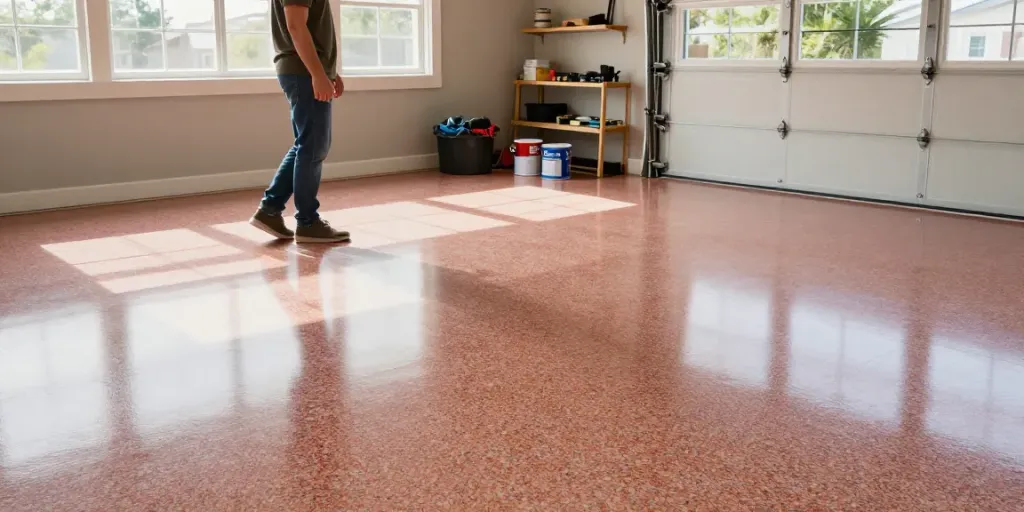
Epoxy flooring is a seamless flooring solution created by applying multiple layers of epoxy resin over concrete surfaces. This creates a durable, high-gloss finish that is not only visually appealing but also highly resistant to damage. Elevate Epoxy Flooring takes this concept further by offering customized solutions tailored to individual preferences and applications.
Benefits of Using Epoxy Flooring
Choosing epoxy flooring can significantly enhance the value and functionality of your space. Here are some key benefits:
- Durability: Epoxy floors can withstand heavy foot traffic, impacts, and abrasions, making them ideal for both residential and commercial environments.
- Easy Maintenance: The smooth surface of epoxy flooring makes cleaning a breeze, requiring only regular sweeping and mopping.
- Safety: Epoxy can be formulated with anti-slip additives, enhancing safety in areas prone to spills.
- Cost-Effectiveness: Although the initial investment may be higher than other flooring options, the longevity and low maintenance requirements offer significant savings over time.
- Aesthetic Versatility: Available in various colors and finishes, epoxy flooring can be customized to match any design aesthetic.
Environmental Advantages: VOC-Free Materials
In today's environmentally conscious world, the demand for sustainable materials is on the rise. Elevate Epoxy Flooring utilizes VOC-free materials, ensuring that the application process is not only safe for humans but also minimizes environmental impact. This commitment to sustainability enhances indoor air quality and aligns with modern ecological standards.
Choosing the Right Flakes and Colors
Selecting the right colors and flake options is pivotal in achieving your desired flooring effect. The variety of combinations available allows for personalization that reflects individual style and functionality within your space.
Best-Selling Colors and Their Uses
When it comes to choosing colors for your epoxy flooring, some shades consistently rise to the top in popularity. Best-selling colors often include:
- Gray: A neutral option that complements various design schemes and helps conceal dirt.
- Blue: This color promotes a calming atmosphere and is frequently used in healthcare and wellness environments.
- Red: Often used in commercial settings, it creates a bold statement and can help delineate work areas.
- Black: Offers a sleek, modern look while providing excellent stain masking properties.
How to Select Colors for Your Space
When choosing colors for your epoxy flooring, consider the following factors:
- Room Purpose: Different environments may benefit from different color schemes; for example, vibrant colors can enhance creativity in workspaces.
- Lighting: Test colors under various lighting conditions to see how they affect the overall mood of the space.
- Existing Décor: Ensure your selected color complements existing furniture and architectural features.
Combining Flakes for Maximum Effect
Flake systems are an innovative way to add texture and depth to your epoxy flooring. Mixing multiple flake types can create a unique look, which not only enhances visual appeal but can also serve functional purposes by improving slip resistance.
Application Process for Elevate Epoxy Flooring
Understanding the application process is crucial for achieving the best results with your epoxy flooring. Proper preparation and execution can make a significant difference in the longevity and performance of your floor.
Preparing Your Concrete Surface
The first step in the application process is to ensure your concrete surface is adequately prepared. This involves:
- Cleaning: Remove any debris, oil stains, or previous coatings that may interfere with adhesion.
- Repairing: Fill cracks and holes with appropriate concrete fillers to create a uniform surface.
- Etching: Use an etching solution to create a rough surface, promoting better adhesion of the epoxy.
Step-by-Step Application Instructions
The application of epoxy flooring typically follows these steps:
- Primer Application: Apply a primer to the prepared concrete to enhance adhesion.
- Base Coat: Roll out the first layer of epoxy resin evenly across the surface.
- Flake Broadcast: While the base coat is still wet, broadcast flakes to your desired density.
- Sealer Coating: Once dried, apply a topcoat sealer to protect the flakes and enhance durability.
Common Mistakes to Avoid During Application
To ensure a flawless finish, avoid these common pitfalls:
- Skipping surface preparation steps can lead to poor adhesion and premature wear.
- Not allowing adequate drying time between coats can result in a weak bond.
- Using excess flake material may create an uneven texture and affect the overall appearance.
Maintaining Your Epoxy Floor
Proper maintenance is key to extending the life of your epoxy flooring. With minimal effort, you can keep your floors looking like new.
Daily Maintenance Tips for Longevity
To maintain the beauty and integrity of your epoxy flooring, consider these daily maintenance tips:
- Regularly sweep or vacuum to remove dirt and debris.
- Mop with a gentle cleaner that is pH-neutral to avoid damaging the surface.
- Place mats at entryways to minimize dirt transfer into the space.
How to Repair Scratches and Chips
Minor scratches or chips can be repaired with the following steps:
- Clean the area with a soft cloth to remove debris.
- Use a clear epoxy resin patch to fill in the damaged area.
- Once cured, sand the area lightly to create a smooth surface and match it to the surrounding floor.
When to Reapply Epoxy Coating
Even with careful maintenance, epoxy floors may require occasional reapplication. Signs that it's time to reapply include:
- Faded appearance or loss of gloss.
- Visible wear patterns in high-traffic areas.
- Stains that cannot be removed with regular cleaning.
The Future of Epoxy Flooring in 2026
As we look ahead, the epoxy flooring industry continues to evolve, driven by consumer preferences and advancements in technology.
Emerging Trends in Flooring Design
In 2026, trends in flooring design are likely to lean towards sustainable materials, personalized aesthetics, and multifunctionality. Homeowners are increasingly drawn to decorative options that not only serve practical purposes but also enhance the overall ambiance of their spaces.
Innovations in Epoxy Materials
Innovations in epoxy formulations are paving the way for more resilient and versatile flooring options. The introduction of self-leveling and rapid-curing epoxies speeds up the application process while ensuring a high-quality finish.
Consumer Preferences: What to Expect
Consumer preferences are shifting towards eco-friendly options without compromising performance. Expect a growing demand for low-VOC, durable, and visually captivating flooring solutions that align with individual lifestyles and values.
What is the downside of epoxy flooring?
While epoxy flooring offers numerous advantages, it is essential to consider potential downsides. These can include:
- Initial installation costs can be higher than other flooring types.
- Incorrect application can lead to peeling and damage.
- Some epoxy products may yellow over time if exposed to sunlight.
How much would it cost to epoxy 1000 sq ft?
The cost to epoxy 1000 sq ft can vary widely based on factors like geographical location, labor costs, and the chosen product quality. On average, homeowners can expect to pay between $2,500 to $5,000 for professional installation.
What is the best floor epoxy on the market?
The best floor epoxy often depends on specific needs and preferences. Some top contenders include Rust-Oleum, Epoxy-Coat, and Supercoat, which offer various formulations tailored for durability, color retention, and ease of application.
How much does a 20x20 epoxy floor cost?
A 20x20 epoxy floor, covering 400 sq ft, typically ranges from $1,000 to $2,000, depending on the quality of materials selected and whether professional installation is engaged.
Are VOC-free epoxy floors worth the investment?
Investing in VOC-free epoxy floors can be beneficial in the long run. Not only do they contribute to improved indoor air quality and safety, but they also align with sustainable building practices and appeal to environmentally conscious consumers.