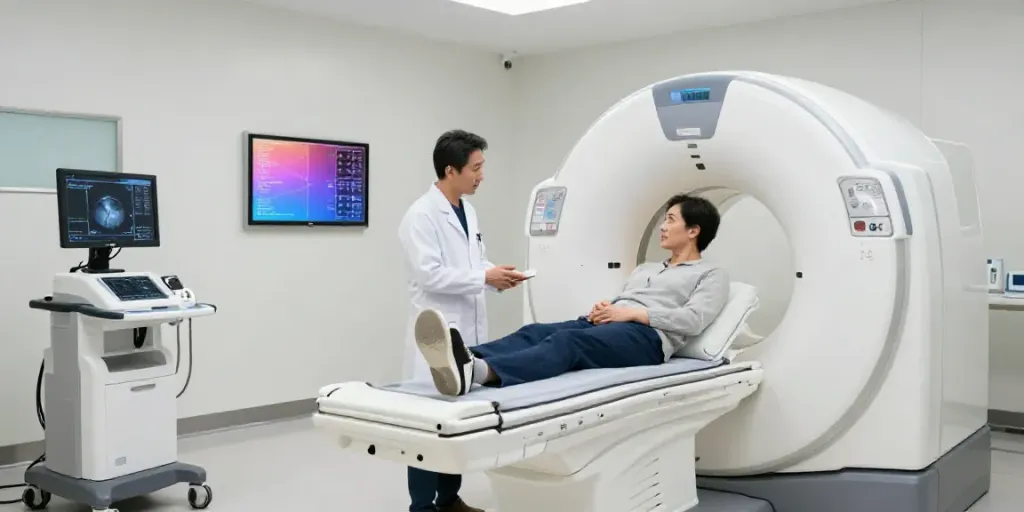
Understanding Prostate Cancer
Prostate cancer is one of the most prevalent forms of cancer affecting men worldwide, with significant implications for health and well-being. As such, understanding this condition, its symptoms, risk factors, and potential treatments is crucial for early intervention and optimal care. The Cleveland Clinic Abu Dhabi offers specialized services through its comprehensive Prostate cancer hospital Abu Dhabi, dedicated to providing advanced diagnostic and treatment options.
What is Prostate Cancer?
Prostate cancer arises from the prostate gland, a small walnut-sized gland located between the bladder and the penis. It plays a critical role in male reproductive health by producing seminal fluid. Prostate cancer typically develops slowly, and many men may remain asymptomatic for years, unaware of their condition. This form of cancer predominantly begins in the outer region of the prostate and can be classified based on stage and grade, which are essential for determining treatment strategies and prognoses.
Symptoms and Risk Factors
Early-stage prostate cancer often does not present noticeable symptoms. However, as the disease progresses, men may experience various signs, including:
- Frequent urination, particularly at night
- Difficulty starting or stopping urination
- Weak or interrupted urine flow
- Painful or burning sensation during urination
- Painful ejaculation
- Blood in urine or semen
- Persistent pain in the lower back, hips, or thighs
While the exact cause of prostate cancer is unknown, several factors may increase the risk of developing the disease, including age, family history, race (with African American men at higher risk), and elevated testosterone levels.
Stages of Prostate Cancer and Their Impact
Prostate cancer is classified into different stages, which indicate how far the disease has progressed:
- Stage T1 and T2: The cancer is confined to the prostate gland.
- Stage T3: The cancer has spread to tissues surrounding the prostate.
- Stage T4: Advanced stage where cancer has spread to other parts of the body, such as bones or lymph nodes.
Understanding the staging of prostate cancer is vital for developing an effective treatment plan and predicting the potential outcomes for patients.
Why Choose Cleveland Clinic Abu Dhabi?
Choosing the right healthcare provider is essential when dealing with a serious condition like prostate cancer. Cleveland Clinic Abu Dhabi stands out for several reasons, ensuring that patients receive the best care possible.
Expert Multidisciplinary Care Team
The Prostate Cancer Program at Cleveland Clinic Abu Dhabi features a multidisciplinary team of specialists, including urologists, medical oncologists, radiation oncologists, and support staff. This collaborative approach allows for comprehensive treatment plans tailored to meet each patient’s needs, combining different expertise for a more effective, holistic care experience.
State-of-the-Art Treatment Options
One of the distinguishing aspects of the Cleveland Clinic Abu Dhabi is its investment in advanced medical technology, which is instrumental in both diagnosis and treatment. Groundbreaking procedures such as MRI fusion-guided biopsy allow for precise targeting of tumors, resulting in more accurate diagnoses and treatment outcomes. Additionally, the clinic offers minimally invasive surgical options that reduce recovery times and improve patient comfort.
Patient-Centered Approach to Care
At Cleveland Clinic Abu Dhabi, the patient’s well-being is paramount. The medical team ensures that every treatment plan is centered around the individual’s circumstances, preferences, and lifestyle. Regular consultations occur through the Multidisciplinary Tumor Board, where specialists review each case to ensure the highest standards of patient care and support.
Diagnosis of Prostate Cancer
Accurate diagnosis is a critical first step in the effective management of prostate cancer. At Cleveland Clinic Abu Dhabi, a combination of comprehensive screening techniques are employed to identify the disease early.
Comprehensive Screening Techniques
The primary methods for screening for prostate cancer include a digital rectal exam (DRE) and a prostate-specific antigen (PSA) test. The PSA test measures the levels of a protein in the blood that may indicate prostate cancer. Regular screening, especially for men over 40 or those with risk factors, is crucial for early detection.
Importance of MRI Fusion Guided Biopsy
One of the pioneering diagnostic methods available at Cleveland Clinic Abu Dhabi is the MRI fusion-guided biopsy, which enhances the accuracy of biopsies by integrating MRI scans with ultrasound images. This innovative technique targets specific areas of the prostate, significantly improving diagnostic precision.
Understanding PSA Levels and Their Implications
PSA levels can fluctuate due to various factors, including age and prostate health. Elevated PSA levels may lead to further investigation, including imaging studies and biopsies to confirm the presence of cancer. The IsoPSA test can also help differentiate between benign conditions and cancer, further refining diagnostic processes.
Treatment Options Available
Once diagnosed, patients are presented with various treatment options tailored to their specific situation. The choice of treatment is guided by the cancer's stage, the patient's overall health, and personal preferences.
Minimally Invasive Surgical Techniques
Minimally invasive techniques, such as laparoscopic surgery and robotic-assisted prostatectomy, are at the forefront of prostate cancer treatment at Cleveland Clinic Abu Dhabi. These approaches offer reduced pain, fewer complications, and shorter recovery times compared to traditional surgical methods.
Radiation Therapy and Chemotherapy
Radiation therapy is commonly used for prostate cancer treatment, particularly in cases where surgery may not be the best option. Cleveland Clinic Abu Dhabi employs advanced radiation techniques, including intensity-modulated radiation therapy (IMRT) and stereotactic body radiation therapy (SBRT), enhancing the effectiveness while minimizing exposure to surrounding tissues. Chemotherapy may be recommended for advanced cases, particularly those that have spread beyond the prostate.
Innovative Treatment Pathways
The Prostate Cancer Program also explores innovative treatment pathways, including hormone therapy and clinical trials that offer access to cutting-edge treatments. Patients are encouraged to discuss all available options with their care team to determine the best approach.
Post-Treatment Care and Support
Following treatment, managing side effects and ensuring optimal recovery are essential aspects of prostate cancer care. Cleveland Clinic Abu Dhabi is dedicated to providing comprehensive post-treatment support.
Managing Side Effects Effectively
Patients may experience various side effects, including fatigue, urinary incontinence, and changes in sexual function. The team at Cleveland Clinic Abu Dhabi works closely with patients to manage these effects, employing various strategies to improve quality of life.
Long-term Follow-Up and Monitoring
Regular follow-up appointments are crucial to monitor recovery and detect any potential recurrence of cancer promptly. The clinic emphasizes the importance of ongoing assessment, ensuring that patients remain supported throughout their journey.
Resources for Emotional and Psychological Support
Beyond physical health, the emotional and psychological aspects of cancer treatment are paramount. Cleveland Clinic Abu Dhabi offers various resources, including counseling and support groups, to assist patients and their families in navigating the challenges of cancer diagnosis and treatment.
What are the key symptoms of prostate cancer?
Key symptoms include frequent urination, difficulty urinating, and blood in semen. These warrant immediate consultation with a healthcare provider.
How is prostate cancer diagnosed?
Diagnosis typically involves PSA testing, digital rectal exams, and, when necessary, imaging studies and biopsies.
What treatment options are available for prostate cancer?
Treatment options include surgery, radiation therapy, hormone therapy, and chemotherapy, tailored to the individual's case and stage of cancer.
Why is multidisciplinary care important in prostate cancer treatment?
Multidisciplinary care ensures that all aspects of a patient's health are considered, leading to comprehensive treatment plans that address the physical, psychological, and emotional needs.
What can patients expect during their treatment journey?
Patients can expect a personalized treatment plan, regular consultations, and ongoing support throughout their journey, aiming for the best possible outcomes.