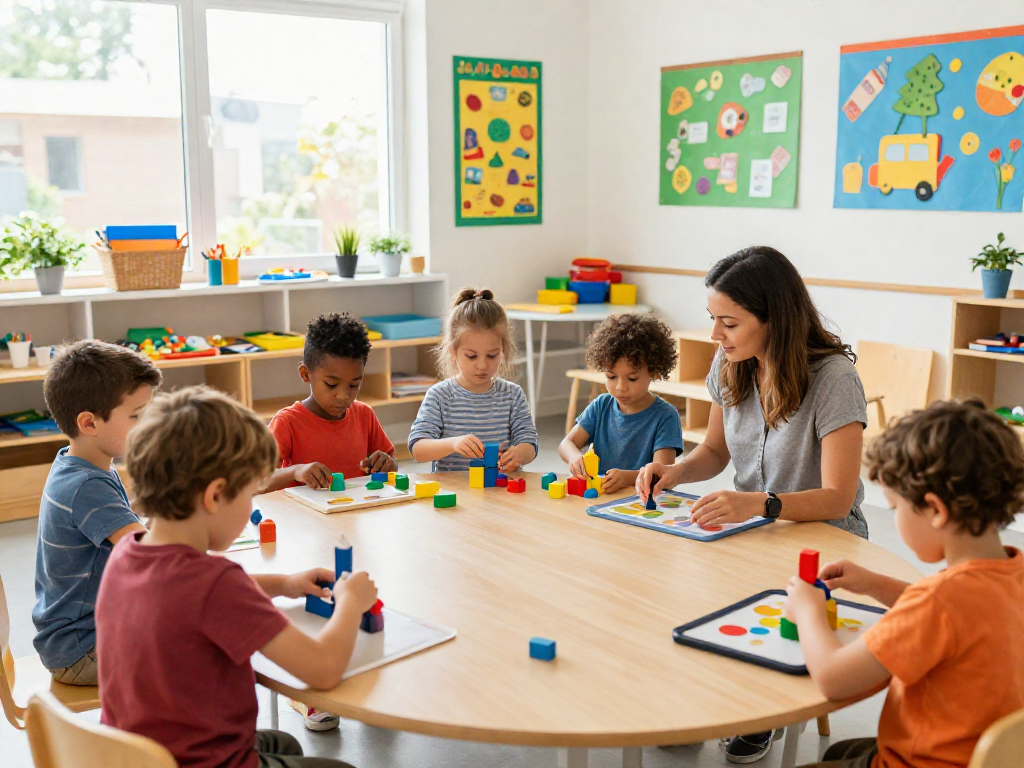
Understanding the Importance of Quality Kindergarten Education
Choosing a quality kindergarten education is one of the most significant decisions you can make for your child's early development. The years spent in preschool set the foundation not only for academic growth but for social, emotional, and cognitive skill development as well. In Singapore, where early education is highly valued, parents often search for the best options available, looking for a kindergarten near me that aligns with their expectations and values. The right kindergarten can foster a love for learning that lasts a lifetime.
Why Choose Kindergarten Near Me for Your Child?
One of the primary reasons to prioritize a local kindergarten is the convenience it offers. Proximity allows for a smoother daily routine, reducing transportation stress and giving parents more time with their children after school hours. Furthermore, local schools often cater to the community's unique cultural and social dynamics, which can enhance your child's learning experience and comfort level.
Key Benefits of Local Preschool Education
- Community Connection: Local kindergartens frequently engage with families and the surrounding neighborhoods, creating a strong network of support.
- Tailored Curriculum: Many local preschools align their curriculum with community values and expectations, ensuring relevancy and engagement.
- Accessibility to Resources: Local schools often have established relationships with community resources, making it easier for families to access the support they may need.
The Role of Holistic Development in Early Learning
Holistic development refers to the growth of a child across multiple dimensions, including cognitive, emotional, social, and physical development. In quality kindergartens, educational frameworks are designed to address all these areas, preparing children not just academically but also socially and emotionally. This multifaceted approach ensures that children develop well-rounded skills essential for their future.
Exploring the Inquiry-Based Learning Approach
Inquiry-based learning is an educational strategy that encourages children to ask questions and explore subjects through hands-on experiences. It nurtures curiosity, promotes critical thinking, and motivates children to learn by discovering solutions on their own. This method contrasts sharply with traditional rote-learning techniques, which often do not engage students on a deeper level.
What is Inquiry-Based Learning?
At its core, inquiry-based learning revolves around the student actively participating in their educational journey. Instead of simply absorbing information, children engaged in inquiry-based learning ask questions, explore, and investigate topics of interest, leading to a deeper understanding and retention of knowledge. This approach also aligns with the natural curiosity inherent in young children, making learning feel more organic and enjoyable.
How It Benefits Young Minds
- Encourages Curiosity: Children learn to ask questions and seek out answers, fostering a lifelong love of inquiry.
- Develops Problem-Solving Skills: By engaging in exploration and discovery, children learn to think critically and approach problems with various solutions in mind.
- Enhances Retention of Information: Learning through discovery promotes a more profound understanding of concepts compared to passive learning methods.
Implementing Inquiry Techniques in the Classroom
Effective implementation of inquiry-based learning in classrooms involves creating an environment where questions are encouraged and exploration is facilitated. Educators play a crucial role in guiding children’s inquiries and providing resources to help them find answers. Engaging activities, such as group projects, experiments, and field trips, are vital components of this learning strategy.
Choosing the Right Kindergarten for Your Child
When selecting a kindergarten, there are several critical factors to consider to ensure it meets your child's needs. This decision can set the tone for your child’s future educational experiences, making it essential to evaluate all available options thoroughly.
Factors to Consider When Searching for Kindergartens
- Location: Proximity to home is a significant factor, as it impacts daily logistics and your child’s comfort.
- Curriculum: Review the curriculum offered by the kindergarten. Ensure they employ contemporary educational methodologies like inquiry-based learning.
- Facilities: Examine the learning environment, including indoor and outdoor spaces that are conducive to creativity and exploration.
Assessing Curriculum and Teaching Philosophy
Understanding the teaching philosophy of a kindergarten is crucial. A school that emphasizes inquiry-based learning will likely have a different approach to early childhood education compared to one focused purely on traditional methods. Look for schools that prioritize creativity, critical thinking, and social-emotional development as part of their curriculum.
Importance of Teacher-Student Ratios
A low teacher-student ratio is vital for personal attention and individualized support. Smaller class sizes often mean that educators can better understand each child’s learning style, strengths, and areas needing improvement. This attention can significantly enhance a child's educational experience and emotional well-being.
Building Strong Parent-Teacher Partnerships
Creating a collaborative relationship between parents and teachers is essential for fostering an optimum learning environment for children. When parents and educators work together, children benefit from consistent support both in the classroom and at home.
The Role of Parental Involvement in Early Education
Parental involvement can take many forms, from attending school events to actively engaging in homework activities. Such involvement is not only beneficial for the child’s academic performance but also fosters a sense of community and belonging. Parents who are involved in their children’s education can also gain better insights into their child’s progress and challenges.
Effective Communication Strategies with Teachers
- Regular Updates: Maintaining a regular flow of communication about your child's progress can help address any issues early on.
- Feedback Mechanisms: Encourage open dialogue where both parents and teachers can share insights and strategies.
- Participate in School Events: Engaging with the school community can foster connections and enhance your understanding of your child’s learning environment.
Supporting Your Child’s Learning at Home
Parents play a critical role in extending learning beyond the classroom. This can include reading together, engaging in educational games, or simply encouraging a curious mindset. Activities that build on what children learn at school can reinforce their skills and confidence.
Future Trends in Kindergarten Education by 2026
As educational paradigms continue to evolve, kindergarten programs are expected to adapt to new trends and methodologies. Staying informed about these changes will help parents make the best choices for their children.
Evolving Approaches to Early Childhood Education
By 2026, we can anticipate a shift towards even more personalized learning experiences, leveraging technology and adaptive learning tools to cater to individual student needs. This evolution will likely usher in a new era of early education focused on nurturing creativity, critical thinking, and collaboration among young learners.
Incorporating Technology in Classrooms
The incorporation of technology in early education settings is set to increase significantly. Interactive learning tools, educational software, and digital resources will reshape how children learn, making education more engaging and accessible.
Preparing Children for a Diverse World
As our world becomes increasingly interconnected, early childhood education must prepare children to thrive in diverse environments. Programs that emphasize multicultural education and global awareness will be vital in helping children appreciate and navigate a diverse society.
What is the best way to find a kindergarten near me?
Utilizing online resources, community recommendations, and visiting potential kindergartens can significantly streamline the process of finding the right fit for your child.
How does inquiry-based learning enhance childhood education?
Inquiry-based learning enhances education by engaging children in active learning, fostering critical thinking skills, and encouraging them to take initiative in their educational journeys.
What should I consider when choosing a kindergarten?
Consider the curriculum, teaching philosophy, location, facilities, and teacher-student ratios to select the best kindergarten that aligns with your child's needs and family values.
Why is parental involvement crucial in early learning?
Parental involvement is crucial because it reinforces learning, fosters a supportive educational environment, and helps teachers gain insight into each child’s unique needs.
What are the emerging trends in kindergarten education?
Emerging trends include personalized learning experiences, increased use of technology in the classroom, and a greater emphasis on global and multicultural education.