The Art of Pour-Over Coffee Brewing
Pour-over coffee is a method that elevates the brewing experience, giving enthusiasts full control over the taste and aroma of their favorite cup. This meticulous process emphasizes the importance of timing, technique, and equipment. Many coffee lovers appreciate the ritualistic aspect of pour-over brewing, which allows for precision and creativity in each cup. As you dive deeper into this brewing method, the right gear is essential, and you will find an array of options available at www.ebbfilter.com, where innovative products enhance your coffee journey.
Understanding the Pour-Over Process
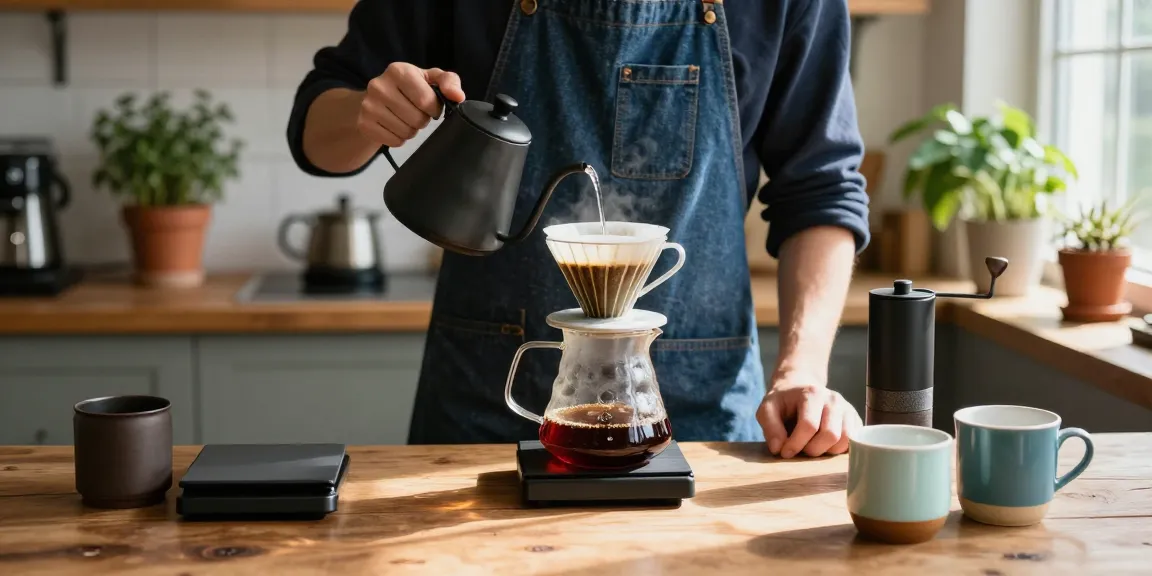
The pour-over method involves manually pouring hot water over coffee grounds, allowing them to bloom and extract flavors gradually. This technique optimizes extraction by controlling the water’s contact time with the coffee. Here’s a step-by-step overview:
- Begin with quality coffee: Use freshly roasted beans, ideally ground just before brewing.
- Pre-wet the filter: Rinse the filter with hot water to eliminate any paper taste and preheat the brewing vessel.
- Measure coffee and water: A general rule is 1:15 coffee-to-water ratio. For example, 20 grams of coffee to 300 grams of water.
- Bloom the coffee: Pour a small amount of water over the coffee grounds and wait 30 seconds. This releases carbon dioxide and enhances flavor extraction.
- Continue pouring: Use a spiral motion to pour water evenly over the grounds, maintaining a consistent flow until the desired amount of water has been added.
- Enjoy: Once the water has filtered through, savor the nuanced flavors of your meticulously brewed coffee.
Choosing the Right Equipment for Success
To achieve the perfect pour-over, selecting the right equipment is crucial. Essential gear includes:
- Coffee Grinder: A burr grinder is recommended for a consistent grind size, critical for flavor extraction.
- Pour-Over Dripper: Options like the Hario V60 or Chemex are popular for their design and functionality.
- Scale: A kitchen scale allows for precise measurement of coffee and water.
- Kettle: A gooseneck kettle provides control over the pour rate and direction.
These tools can significantly enhance your brewing experience, offering both reliability and quality in each cup.
Common Mistakes to Avoid When Brewing
Even experienced baristas can encounter pitfalls that affect the final outcome of their brew. Here are common mistakes to avoid:
- Using Old Coffee: Always use fresh coffee beans for optimal flavor.
- Incorrect Water Temperature: Water that’s too hot can scorch coffee grounds, while water that’s too cool can under-extract.
- Skipping the Bloom: Failing to let the coffee bloom can result in a flat taste.
- Not Paying Attention to Timing: Brewing time significantly affects strength and flavor; consistency is key.
Sustainability in Coffee Brewing
The rise of sustainability in coffee brewing reflects a broader trend towards eco-friendliness in consumer habits. By making mindful choices, coffee lovers can enjoy their favorite beverage while minimizing their environmental impact. One way to contribute positively is through the use of reusable filters, like those found at Ebb, which are made from upcycled materials.
Benefits of Using Ebb Reusable Filters
Switching to reusable coffee filters not only reduces waste but also offers several advantages:
- Cost-Effective: Reusable filters provide long-term savings compared to disposable options.
- Flavor Improvement: Ebb filters allow oils and fine particles to pass through, enhancing the coffee's body and flavors.
- Eco-Friendly: By choosing Ebb filters made from upcycled denim, you support sustainable practices that reduce textile waste.
How Upcycled Denim Aprons Promote Eco-Friendliness
In addition to reusable filters, Ebb's upcycled denim aprons illustrate innovative ways to embrace sustainability in the culinary world. These aprons not only serve a functional purpose but also embody a commitment to recycling and reimagining materials. By incorporating products made from upcycled materials, consumers can enjoy unique items while contributing to environmental preservation.
Real-World Examples of Sustainable Practices
Across the globe, coffee communities are adopting sustainable practices that benefit farmers, consumers, and the environment. For example:
- Many cafes source their beans from direct trades with farmers who employ sustainable methods.
- Workshops emphasize composting coffee grounds and using them as fertilizers.
- Baristas share knowledge about brewing methods that conserve resources, highlighting the importance of mindful consumption.
Mastering the Perfect Brew
Once you've mastered the pour-over method and embraced sustainable practices, it's time to ensure you're brewing the perfect cup. Factors such as coffee-to-water ratios, extraction techniques, and tasting notes play a crucial role in the overall coffee experience.
Essential Coffee-to-Water Ratios
The ratio of coffee to water is foundational in achieving the desired strength and flavor. Here are some popular ratios to consider:
- Standard Brew: A 1:15 ratio is excellent for balanced flavor.
- Stronger Coffee: A 1:12 ratio increases intensity for those who prefer bolder brews.
- Weaker Brew: A 1:18 ratio allows for a more delicate taste.
Experimenting with these ratios will help you discover your perfect cup.
Techniques for Optimal Extraction
Optimal extraction involves more than just the right equipment and coffee. Consider the following techniques:
- Water Distribution: Pour evenly to ensure all coffee grounds are saturated.
- Timing: Stick to recommended brewing times for consistency and flavor.
- Grinding Size: Adjust grind size based on the brewing time; coarser for longer brews and finer for shorter ones.
These techniques will enhance your brewing prowess, resulting in a more enjoyable coffee experience.
Tasting Notes: Evaluating Your Brew
Understanding how to evaluate the flavor and quality of your coffee is essential. Tasting notes involve recognizing various flavor components, such as:
- Aroma: The fragrance released when the coffee is ground and brewed.
- Acidity: Brightness or liveliness perceived on the palate.
- Body: The weight or thickness of the coffee in your mouth.
- Finish: The aftertaste left on the palate after swallowing.
Creating a Coffee Brewing Community
Building a community around coffee brewing enhances the experience and promotes shared learning. Engaging with fellow coffee lovers can spark creativity, foster friendships, and improve skills.
Engaging with Local Coffee Enthusiasts
Finding local coffee meetups, workshops, or tastings can connect you with passionate individuals eager to share their insights. These gatherings allow participants to explore different brewing methods and share unique flavor experiences.
Hosting Coffee Tasting Events
Organizing your own coffee tasting event can be a fun and informative way to engage with others. Consider the following tips:
- Invite Guests: Gather a diverse group to encourage discussion.
- Prepare Varieties: Offer different beans to showcase taste profiles.
- Provide Guidance: Share brewing techniques and tasting notes to enrich the experience.
Online Communities and Resources for Home Baristas
Besides local engagement, numerous online communities provide excellent resources for home baristas. Forums, social media groups, and dedicated websites offer valuable insights, tips, and support for anyone looking to improve their brewing skills.
The Future of Home Brewing Trends
As we look ahead to the future of home brewing, several trends are emerging that will shape the coffee community and influence brewing habits. Staying informed about these developments will prepare you for what’s next.
Innovative Coffee Technologies to Watch
Advances in coffee technology continue to revolutionize home brewing. Innovations such as smart coffee makers, precision scales, and temperature-controlled kettles provide users with greater control over brewing parameters and enhance the coffee experience.
Emerging Coffee Cultures and Their Impact
Worldwide, new coffee cultures are emerging, influencing drink preferences and brewing methods. These cultural shifts promote a greater appreciation for specialty coffees and emphasize the importance of ethical sourcing and sustainability.
Preparing for 2026: Coffee Trends to Anticipate
As we move towards 2026, expect trends like a rise in plant-based milk options, the popularity of nitro coffee, and an increased focus on single-origin beans. These trends reflect growing consumer consciousness regarding health, sustainability, and flavor diversity.
What is Ebb Filter’s Role in the Coffee Community?
Ebb Filter plays a pivotal role in this evolving coffee landscape by championing sustainability and offering products that enhance the brewing experience. With a range of reusable filters and upcycled denim aprons, Ebb not only supports environmentally conscious practices but also fosters a community of coffee lovers committed to quality and sustainability.