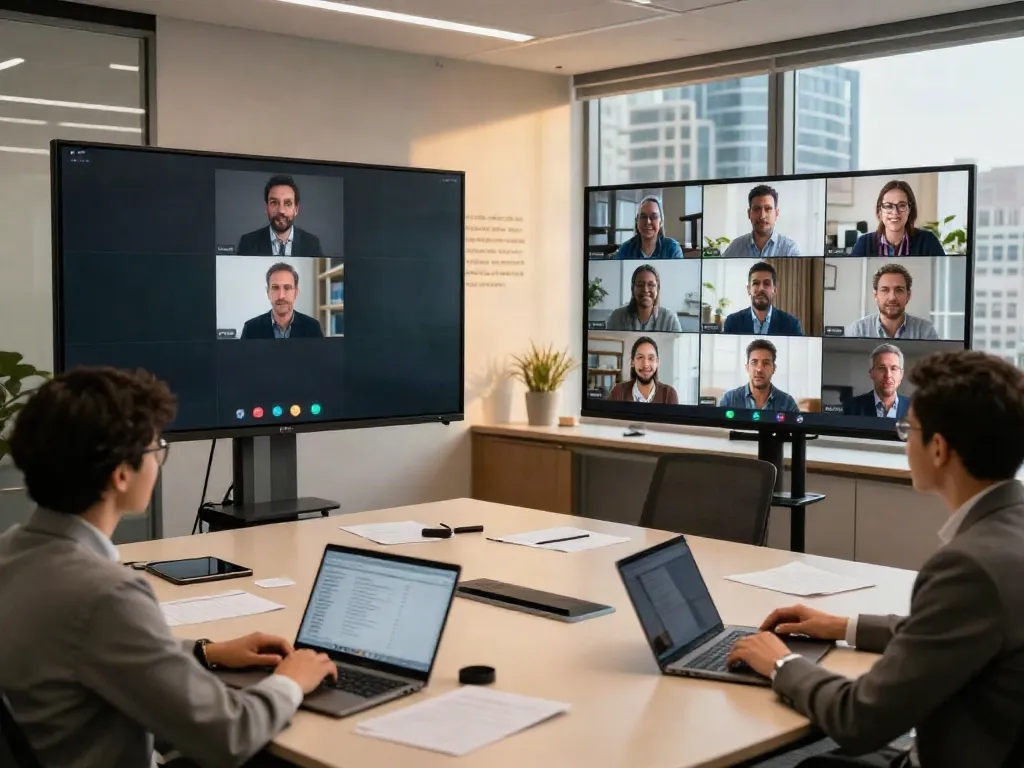
Understanding Deepfake Technology and Its Impact on Online Meetings
As remote work and virtual meetings become increasingly commonplace, the rise of deepfake technology poses significant challenges for security and trust in online communications. Deepfakes, which utilize sophisticated artificial intelligence to create realistic but fake audio and video of people, can easily be leveraged in virtual environments. In this evolving landscape, organizations must prioritize the integrity of their online interactions. One effective strategy is to incorporate Deepfake protected Online Video Calls, Meetings and Conferencing solutions, which ensure that participants can engage without fear of manipulation or impersonation.
What are Deepfakes and How Do They Work?
Deepfakes rely on deep learning algorithms that can manipulate existing media to create new content that appears real. This technology uses a process called generative adversarial networks (GANs), where two neural networks work against each other: one creates the fakes, and the other attempts to detect them. Through this iterative process, the generator improves its ability to create convincing forgeries, potentially making it undetectable by the human eye and even some automated systems.
The Risks of Deepfake Technology in Video Calls
The implications of deepfake technology on video conferencing are vast and troubling. Cybercriminals can impersonate executives or clients, leading to unauthorized transactions, data breaches, or reputational harm. Moreover, in a world where trust is paramount, the use of deepfakes can undermine relationships and create skepticism around even legitimate communications. As deepfake technology evolves, so too must our strategies for combating its threats.
Common Misconceptions About Deepfake Detection
Many people believe that identifying deepfakes requires advanced technical knowledge or specialized tools. However, while sophisticated detection algorithms can aid in identifying fake videos, not all deepfakes can easily be spotted. Misconceptions like these can lead individuals and organizations to underestimate their vulnerability, failing to implement sufficient protective measures in their virtual meetings.
Implementing Deepfake Protection in Online Video Calls
Essential Tools for Ensuring Meeting Security
To combat the risks associated with deepfakes in video conferencing, organizations should invest in advanced security tools. Solutions such as biometric authentication, AI-driven anomaly detection, and real-time deepfake detection can effectively bolster meeting integrity. Implementing systems that integrate these tools into existing video conferencing platforms is critical for safeguarding sensitive discussions.
Best Practices for Safe Virtual Conferences
- Establish strict verification protocols: Require participants to verify identities through multiple factors, which may include passwords, biometric data, or pre-agreed secure phrases.
- Utilize secure conferencing platforms: Choose platforms that incorporate advanced security features, such as end-to-end encryption and deepfake detection capabilities.
- Conduct regular security audits: Periodically evaluate security measures and ensure all participants are aware of the latest protocols.
Case Studies: Successful Implementation of Security Measures
Organizations that have proactively addressed deepfake threats have seen a significant reduction in incidents and improved trust in their communications. For instance, a major financial institution adopted a comprehensive security framework that included real-time deepfake detection and biometric verification, leading to a secure environment for high-stakes meetings.
Future Trends in Video Conferencing Technology
Emerging Innovations in Deepfake Detection
The landscape of technology is rapidly evolving, with new methods of deepfake detection emerging every year. Innovations such as machine learning models that can quickly analyze video content against a database of known images provide increased accuracy in detecting fakes. As these technologies develop, they promise to enhance the security of online meetings.
Predictions for Video Conferencing in 2026
By 2026, we expect significant advancements in authentication processes, including seamless integration of biometric technology and AI-driven surveillance systems. The demand for deepfake protected online video calls will likely lead to more robust security measures, making virtual communication safer and more trustworthy.
How to Stay Updated on New Threats and Solutions
Organizations must remain vigilant and informed about the evolving landscape of deepfake technology. Regular training, participation in webinars, and subscribing to cybersecurity newsletters are essential to maintaining awareness of new risks and emerging solutions in deepfake detection.
Building Trust in Your Online Meetings
Establishing Verification Protocols for Participants
Creating a trustworthy environment starts with clear verification practices. By implementing identity checks and timely pre-meeting confirmations, organizations can ensure that each participant is who they claim to be, reducing the risk of deepfake impersonation.
The Role of Multi-Factor Authentication in Security
Multi-factor authentication (MFA) serves as a powerful deterrent against unauthorized access during video conferences. By requiring participants to provide additional forms of verification, such as one-time passwords or security questions, organizations can enhance their defenses against deepfake-related threats.
Creating a Safe Environment for Sensitive Discussions
To foster an atmosphere conducive to open dialogue, organizations should prioritize confidentiality in their online meetings. Implementing secure platforms and encouraging best practices among participants can reduce anxiety about the risks posed by deepfake technology.
Measuring Success in Deepfake Protection Strategies
Key Performance Indicators to Track
Establishing metrics to gauge the effectiveness of deepfake protection strategies is crucial. Metrics to consider include the number of security incidents, participant feedback on trust levels, and the frequency of verification checks during meetings.
Analyzing Feedback from Participants
Regularly collecting and analyzing feedback from participants about the security measures in place can provide valuable insights into areas needing improvement. This practice not only helps in refining strategies but also demonstrates a commitment to maintaining a secure meeting environment.
Adjusting Strategies Based on Performance Data
Organizations should be agile in their approach to security, adjusting their strategies based on performance data and emerging threats. Continual adaptation ensures that defenses keep pace with rapidly evolving deepfake technologies.
What are the implications of deepfake technology?
The implications of deepfake technology extend beyond mere impersonation; they challenge the foundations of communication, trust, and security in an increasingly digital world. Organizations must remain proactive in implementing measures that safeguard against these threats to maintain the integrity of their interactions.
How can organizations secure their virtual meetings?
Securing virtual meetings requires a multi-faceted approach that includes technology, best practices, and participant engagement. Organizations should prioritize investing in reliable security tools, establishing clear protocols, and fostering a culture of awareness around deepfake technologies.
What technological advancements are expected in deepfake detection?
In the coming years, we can expect technological advancements that streamline deepfake detection and enhance security protocols for online communications. Improvements in AI algorithms, combined with robust identification systems, will likely provide organizations with powerful tools to combat deepfake-related threats.
How frequently should businesses update their security measures?
Organizations should evaluate their security measures regularly, ideally at least quarterly. This frequency ensures that they can adapt to new threats and seamlessly integrate advancements in deepfake detection technologies into their protocols.
What legal considerations should be addressed?
Legal considerations regarding deepfake technology include privacy regulations, intellectual property rights, and the implications of using deepfake content. Organizations must remain informed about the legal landscape and ensure compliance with applicable regulations to mitigate risks associated with deepfake technology.