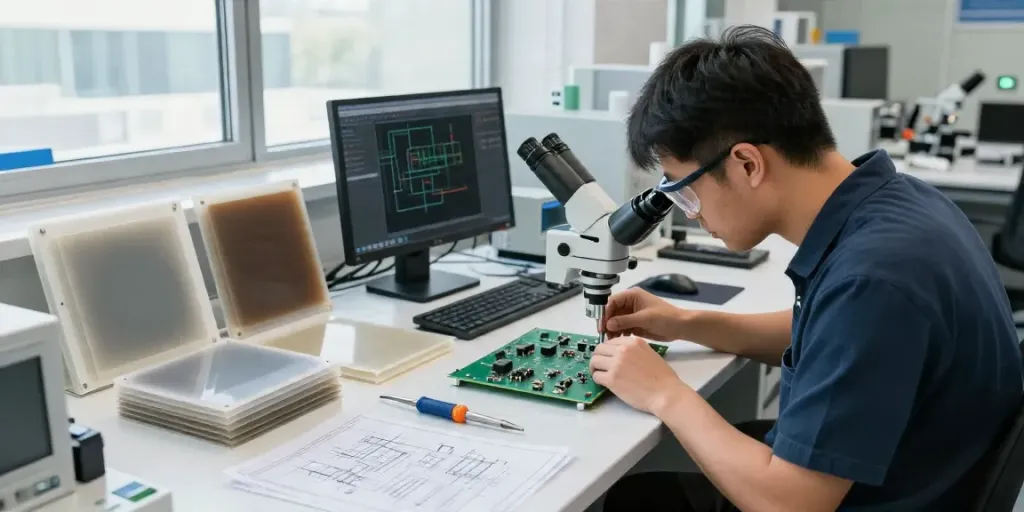
Understanding the Role of Electrical Components Manufacturers
In the rapidly evolving landscape of technology, the role of electrical components manufacturers has become increasingly significant. These manufacturers are the backbone of various industries, providing essential components that power everything from consumer electronics to industrial machinery. The choice of an Electrical components manufacturer can be a game-changer for businesses looking to ensure product quality, reliability, and adherence to safety standards.
What Defines an Electrical Components Manufacturer?
An electrical components manufacturer specializes in producing various electrical parts and assemblies, which are crucial for the functioning of electronic systems. These manufacturers may create components such as connectors, switches, relays, and wire harnesses that comply with specific industry standards. Their offerings are vital for ensuring devices operate safely and efficiently, meeting global regulatory requirements.
Key Products and Offerings in the Industry
- IEC Connectors: These are used to connect appliances to the power supply, adhering to international standards set by the International Electrotechnical Commission.
- Power Cords: High-quality power cords are essential for transferring electrical energy, made from durable materials like PVC and rubber.
- Electromechanical Switches: These switches are crucial for controlling the flow of electricity in circuits, offering reliability and user-friendly operation.
- Relay Sockets: Available in various designs, relay sockets ensure safe and efficient electrical connections.
- Wire Harness Assemblies: These assemblies organize multiple wires and cables into a single system, ensuring efficient installation and reliable connections.
The Impact of Quality on Performance
Quality is paramount in the electrical components manufacturing industry. Low-quality components can lead to device failures, safety hazards, and significant financial losses. Manufacturers adhere to rigorous quality control processes to ensure that their products meet or exceed industry standards, including RoHS, CE, and UL certifications. This commitment to quality not only enhances product performance but also builds consumer trust.
Choosing the Right Electrical Components Manufacturer
When selecting an electrical components manufacturer, there are several critical factors to consider to ensure you partner with a reliable and capable provider.
Evaluating Certifications and Standards
Certifications are a crucial indicator of a manufacturer's commitment to quality and safety. Look for manufacturers that hold ISO certifications, as these demonstrate adherence to international quality management standards. Additionally, components should comply with relevant safety standards, such as UL and CE markings, which ensure products are safe for consumer use.
Assessing Customization Capabilities
Each business has unique requirements, making customization an important factor when selecting a manufacturer. A manufacturer that offers tailored solutions can help you meet specific technical needs, whether that involves unique connector designs, special cable lengths, or custom assembly configurations.
Understanding Supply Chain Dynamics
A robust supply chain is essential for timely product delivery and overall operational efficiency. Manufacturers should demonstrate their ability to deliver components on schedule, even during peak demand periods. Understanding their logistics capabilities can help mitigate risks associated with delays and shortages.
Manufacturing Excellence in Electrical Components
Excellence in manufacturing is achieved through a blend of innovative techniques, stringent quality control, and a commitment to continuous improvement.
Innovative Techniques and Technologies
Advancements in manufacturing technologies, such as automation and precision engineering, allow manufacturers to produce high-quality components more efficiently. Techniques such as 3D printing are increasingly being used for rapid prototyping, enabling manufacturers to shorten development cycles and reduce costs.
Quality Control Processes and Testing
To maintain high performance and reliability, electrical components undergo various testing processes. Manufacturers utilize in-process inspection and final testing methods to ensure products meet established quality benchmarks. This rigorous testing is essential for compliance with global safety standards.
Real-World Applications of High-Quality Components
High-quality electrical components find applications across numerous industries, including:
- Automotive industry, where reliability is critical for safety systems.
- Medical devices, requiring components that meet stringent regulations.
- Consumer electronics, ensuring user satisfaction and brand loyalty.
- Industrial automation, where efficiency and uptime are paramount.
Future Trends in Electrical Components Manufacturing
The electrical components manufacturing landscape is evolving, with several trends shaping the future of the industry.
Sustainability Practices in Production
As global awareness of environmental issues grows, many manufacturers are adopting sustainable practices. This includes the use of eco-friendly materials, reducing waste, and implementing energy-efficient processes to minimize their carbon footprint.
Adapting to Industry 4.0 and Automation
Industry 4.0 is revolutionizing manufacturing through the integration of smart technologies. Manufacturers are leveraging the Internet of Things (IoT), artificial intelligence, and big data analytics to improve operational efficiency and product quality. Automation not only speeds up production but also enhances precision, reducing human error.
Predictions for Market Growth and Development
The market for electrical components is expected to grow significantly as demand increases for advanced technologies, particularly in sectors such as electric vehicles and renewable energy. This growth presents opportunities for manufacturers willing to innovate and remain agile in a competitive landscape.
Frequently Asked Questions
What should I look for in an electrical components manufacturer?
Key factors to consider include product quality, range of offerings, customization capabilities, certifications, and reliability in supply chain management.
How do certifications impact product quality?
Certifications ensure that products meet specific safety and quality standards, providing assurance that components will perform reliably in their intended applications.
What industries benefit most from electrical components?
Industries such as automotive, healthcare, telecommunications, and consumer electronics heavily rely on high-quality electrical components for their operations.
How can I customize products for my specific needs?
Discuss your requirements with manufacturers during the selection process. Many manufacturers offer customization options to meet unique specifications.
What are the future trends in electrical components manufacturing?
Important trends include sustainability initiatives, the integration of automation and smart technologies, and a focus on innovative materials and design practices.