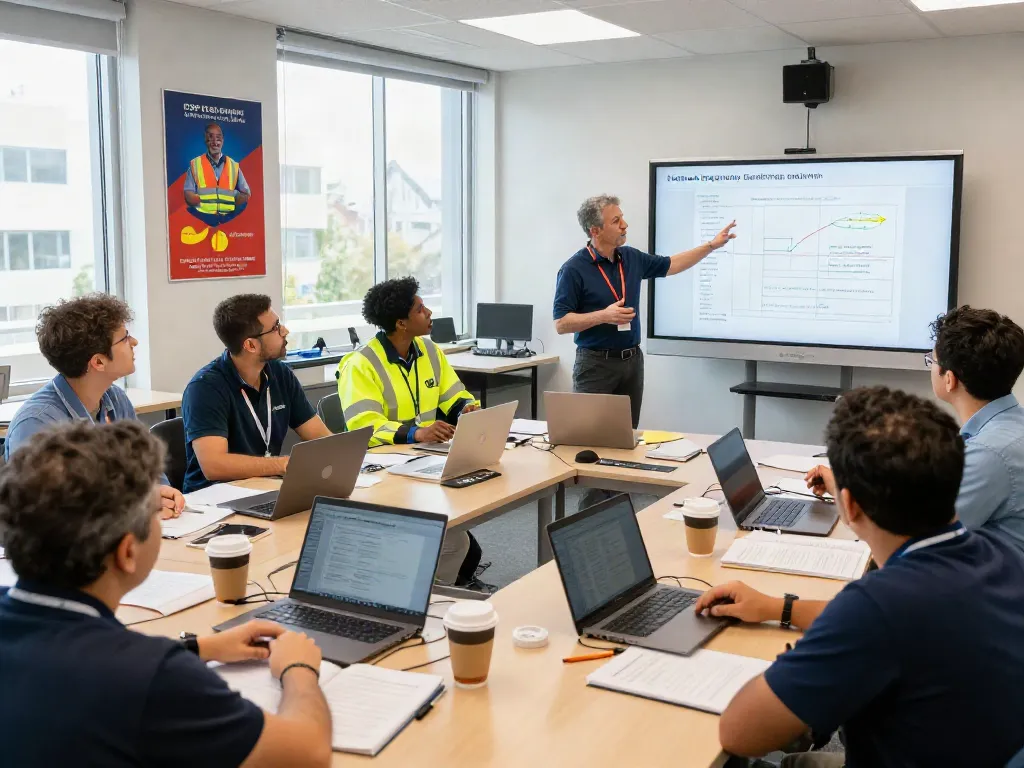
Understanding CSP Certification
The Certified Safety Professional (CSP) certification is a vital credential for professionals dedicated to workplace safety and health. It signifies a comprehensive understanding of safety practices and the rigorous skills required for effective implementation. In an era where occupational safety is paramount, obtaining CSP certification can significantly enhance one's career prospects and professional recognition. By pursuing a CSP Certification, individuals can position themselves as leaders in the safety profession, equipped with the knowledge necessary to mitigate risks and foster safety culture across various industries.
What is CSP Certification?
The CSP certification is granted by the Board of Certified Safety Professionals (BCSP) and is recognized globally as a benchmark for safety excellence. It assures employers, clients, and regulatory bodies that certified individuals possess advanced knowledge and training in safety management and risk assessment. This certification encompasses various domains, including environmental, health, and safety, ensuring that CSPs are prepared to face the challenges presented by diverse workplaces.
Importance of CSP Certification in Safety Management
The significance of CSP certification cannot be overstated, particularly in safety management roles. Organizations that are proactive in employing CSPs demonstrate a commitment to excellence in safety and regulatory compliance. This not only mitigates workplace hazards but also enhances the organization's reputation. Furthermore, CSPs are often entrusted with higher responsibilities, including strategic decision-making regarding safety protocols and emergency response planning.
Core Competencies Assessed in CSP Exam
The CSP exam evaluates candidates on several core competencies essential to effective safety management. These include:
- Hazard identification and risk assessment
- Safety management systems
- Accident investigation and analysis
- Emergency response planning
- Environmental health and safety regulations
Each domain reflects critical knowledge necessary for CSP-certified professionals to excel in their roles.
Eligibility and Requirements for CSP Certification
Educational Background Necessary for CSP Candidates
To be eligible for CSP certification, candidates must possess a bachelor's degree in any discipline. Additionally, they should have completed coursework in safety, health, or environmental science. This educational foundation ensures that candidates are well-prepared to tackle the complexities of safety management in various industries.
Professional Experience Required to Sit for the Exam
CSP candidates must also demonstrate relevant professional experience, typically requiring a minimum of four years of safety experience. This experience should encompass functions related to safety management, allowing candidates to apply theoretical knowledge in practical settings. Employers generally look for candidates who have actively engaged in developing and implementing safety programs.
Submission Process and Fees for CSP Certification
The application process for CSP certification involves submitting an application through the BCSP's online portal, where candidates must detail their educational qualifications and professional experience. The application fee is $160, while the examination fee is $350, which candidates pay when scheduling their exam at Pearson VUE test centers.
Benefits of Obtaining CSP Certification
Career Advancement Opportunities with CSP Credential
Holding a CSP certification provides significant advantages in terms of career development. Organizations often prioritize CSP-certified candidates for senior management and leadership roles within safety and health departments. This credential not only enhances one’s marketability but also opens doors to international opportunities, particularly as organizations increasingly seek qualified safety professionals.
Increased Earning Potential for Certified Safety Professionals
According to industry research, CSP-certified professionals tend to earn higher salaries compared to their non-certified counterparts. This earning potential is a reflection of the expertise and credibility associated with the CSP designation. In many industries, having a CSP certification is considered a prerequisite for higher-paying positions, thus facilitating greater financial rewards over the long term.
Global Recognition and Professional Credibility
The CSP certification is recognized worldwide, granting professionals an esteemed status among their peers. Employers and clients often perceive CSPs as credible authorities in safety management, enhancing professional reputation and trust. This global recognition allows certification holders to take their careers beyond national borders, especially in industries such as construction, manufacturing, and healthcare.
Exam Preparation for CSP Certification
Effective Study Strategies for CSP Candidates
To successfully prepare for the CSP exam, candidates should adopt a thorough study approach that involves a combination of structured learning and practical application. Key strategies include:
- Creating a study schedule that covers all exam domains
- Participating in study groups to share knowledge and resources
- Utilizing online forums or professional networks to discuss challenging topics
Recommended Resources and Study Guides for Success
Several resources can aid in the preparation for the CSP exam, including:
- Official CSP exam preparation manuals from BCSP
- Practice exams and question banks
- Webinars and online courses focused on CSP exam content
Leveraging these resources enables candidates to familiarize themselves with the exam format and question types, reducing anxiety on test day.
Mock Tests and Practice Exams for Exam Readiness
Taking mock tests is a crucial component of exam preparation. Candidates are encouraged to complete full-length practice exams under timed conditions. This approach helps in:
- Building test-taking stamina
- Identifying strengths and weaknesses in knowledge
- Improving time management skills during the actual exam
Additionally, reviewing the detailed solutions and explanations for practice test questions can deepen understanding of key concepts.
Future Trends in Occupational Safety Certifications
Emerging Developments in Safety Standards Post-2026
The field of occupational safety is continually evolving, with new standards and practices emerging. As regulations become more stringent, the demand for certified safety professionals is expected to rise. This trend emphasizes the importance of ongoing education and certification maintenance, ensuring professionals remain compliant with the latest safety protocols.
The Role of Technology in Safety Training and Certification
Advancements in technology are transforming safety training and certification processes. Emerging tools like virtual reality (VR) and augmented reality (AR) provide immersive training experiences that enhance learning outcomes. Additionally, online platforms enable more flexible learning options, allowing candidates to prepare at their own pace.
Anticipated Changes in CSP Certification Requirements
As industry practices evolve, so too may the requirements for CSP certification. It is anticipated that the BCSP will incorporate new safety trends and technologies into the certification process, potentially adjusting prerequisites, examination content, and continuing education requirements. Professionals should stay informed about these changes to maintain their certification status effectively.
What are the costs associated with CSP Certification?
In addition to the application and exam fees, candidates should consider other costs associated with CSP certification, such as:
- Study materials and resources
- Training courses or workshops
- Travel expenses for attending exams, if applicable
How long does it take to prepare for the CSP Exam?
The preparation timeline for the CSP exam varies by individual, depending on their prior knowledge and experience. Typically, candidates should allow at least three to six months of dedicated study time to ensure a comprehensive understanding of the material.
Who should pursue CSP Certification?
CSP certification is ideal for safety managers, HSE engineers, consultants, and any professionals involved in health, safety, and environmental roles. Individuals seeking to enhance their credentials and broaden their career opportunities within the safety domain should consider pursuing this certification.
What study materials are recommended for CSP candidates?
To prepare effectively for the CSP exam, candidates should utilize a combination of resources, including:
- BCSP's official study guides and manuals
- Online courses specific to CSP preparation
- Peer-reviewed journals and articles in occupational safety
How does CSP Certification impact job opportunities?
CSP certification significantly enhances job opportunities for professionals in the health and safety field. It is often a requirement for higher-level positions and can result in better job security and career advancement. Organizations value the expertise and credibility that CSPs bring, making them prime candidates for leadership roles.