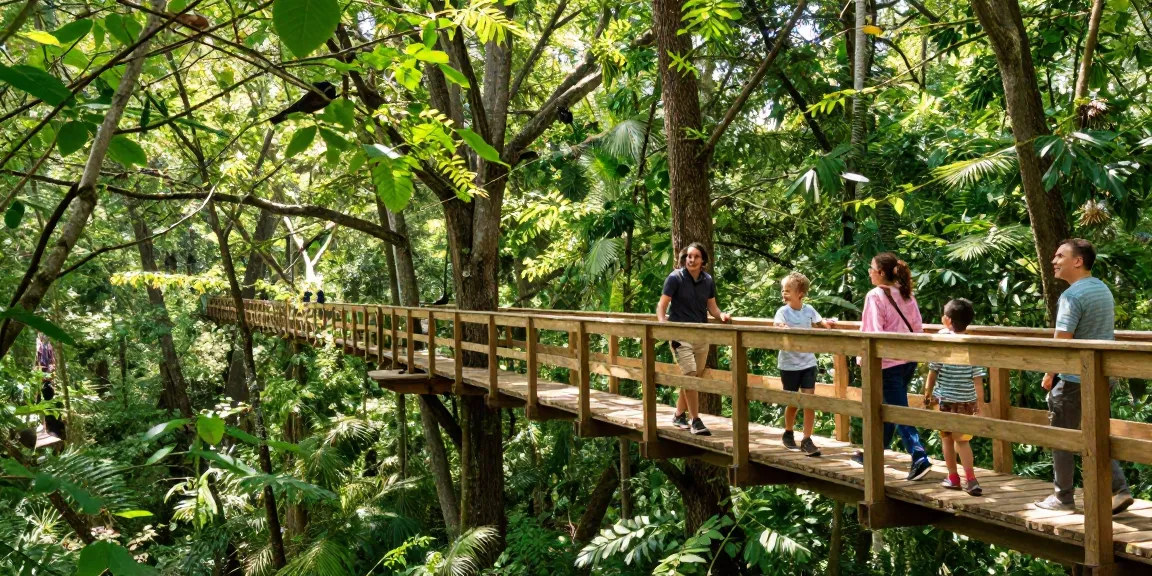
Understanding the Treetop Walkway Experience
The treetop walkway offers a unique opportunity to interact with nature from a breathtaking vantage point. This elevated pathway allows visitors to stroll among the highest parts of trees, experiencing the beauty of the forest canopy, where life flourishes in ways often unseen from the ground. With numerous built-in features designed for both fun and education, Treetop Walkway experiences are gaining popularity worldwide, drawing nature lovers and adventure seekers alike.
What is a Treetop Walkway?
A treetop walkway is a raised pathway that provides pedestrian access to the forest canopy, allowing individuals to walk among the treetops, typically at elevations ranging from 10 to 70 feet (3 to 21 meters) above ground. These walkways are often constructed using environmentally friendly materials and are designed to create minimal disruption to the surrounding ecosystem. The experience offers a unique perspective of the flora and fauna, an up-close view of the forest, and educational insights into the ecology of the woodland environment.
History and Development of Treetop Walkways
The concept of treetop walkways can be traced back several decades, with the earliest examples emerging in the late 20th century as part of a growing trend in eco-tourism. Initially designed to enhance wildlife observation and engage visitors in environmental education, modern treetop walkways have evolved significantly. Many of them now include interactive installations, observation decks, and safety features that cater to a diverse range of visitors, including families with children and individuals with mobility challenges. Today, countries such as Germany, Canada, and Australia have implemented some of the most impressive treetop walkways globally.
Benefits of Visiting a Treetop Walkway
- Connection with nature: Treetop walkways provide a unique chance to experience nature intimately, allowing visitors to observe wildlife in its natural habitat.
- Educational opportunities: Many walkways offer informational signage and guided tours that enrich the visitor experience by teaching about the local ecosystem.
- Physical activity: Walking along these elevated paths promotes physical activity while still enjoying the natural environment.
- Stunning views: The vantage point offered by treetop walkways presents breathtaking views of the forest and beyond, often providing photo opportunities that are unrivaled.
Planning Your Visit to a Treetop Walkway
Planning your visit to a treetop walkway can enhance your experience significantly. Various factors, such as location, timing, and preparation, can affect how much you enjoy the adventure. Understanding these elements can help ensure that your trip is exciting and rewarding.
Top Treetop Walkway Locations in the UK
The UK boasts several remarkable treetop walkways that cater to various tastes and interests. Some of the most notable locations include:
- TreeTop Walkway at Kew Gardens: This stunning walkway rises 18 metres above the ground and provides spectacular views of the surrounding gardens and trees.
- Forest of Dean: With its lush wooded landscapes, this location offers a charming treetop experience, complete with interactive exhibits about local wildlife.
- Go Ape: Located in various locations across the UK, Go Ape combines treetop walking with zip-lines and other high-wire activities for an adrenaline-fueled adventure.
- Grizedale Forest: Nestled in the Lake District, this walkway features artwork and sculptures along the trail, enhancing the connection between art and nature.
Best Times of Year to Visit
While treetop walkways can be enjoyed year-round, certain seasons may enhance your experience:
- Spring: This season brings blooming flowers and an abundance of wildlife activity, making it an excellent time for birdwatching.
- Summer: Longer days and warmer weather make summer ideal for leisurely strolls and family outings.
- Autumn: The changing colours of the leaves create stunning views and photo opportunities, making treetop walkways particularly picturesque.
- Winter: For those who enjoy the serene beauty of a winter landscape, visiting during this time can be a unique and peaceful experience.
Essential Preparation for an Engaging Experience
To ensure a memorable visit to a treetop walkway, consider the following preparations:
- Dress appropriately: Wear comfortable clothing and sturdy footwear suitable for walking. Weather can change quickly, so layering is advisable.
- Bring essentials: Take water, snacks, and a camera to capture stunning views. Binoculars can also enhance wildlife spotting.
- Check accessibility: Ensure that the walkway is accessible for all members of your group, especially those with mobility challenges or young children.
- Plan your route: Familiarise yourself with the layout of the walkway, and if applicable, be aware of any guided tours or scheduled events.
Safety and Accessibility on Treetop Walkways
Safety is paramount when it comes to visiting elevated walkways. Understanding the features designed to keep visitors safe is essential for an enjoyable experience.
Understanding Safety Features
Most treetop walkways are constructed with safety as a core priority. Features may include:
- Sturdy railings: Railings are installed along the pathways to prevent falls and ensure visitors feel secure.
- Regular maintenance: Routine inspections and maintenance help keep walkways in a safe condition for all visitors.
- Emergency procedures: Clear signage outlining emergency procedures ensures visitors know how to react in unexpected situations.
Accessibility Considerations for All Visitors
Treetop walkways strive to promote inclusivity; however, designs may vary in their accessibility:
- Ramp access: Some walkways feature ramps and elevators for easier access, ensuring that those with mobility challenges can enjoy the experience.
- Rest areas: Frequent rest areas allow individuals to take breaks, making it easier for those who may need assistance or time to recuperate.
- Inclusivity signage: Information about accessibility features should be clearly displayed to provide guidance for all visitors.
Safety Tips for a Worry-Free Experience
To further enhance your visit, consider these important safety tips:
- Stay on designated paths: Always adhere to marked paths and avoid wandering off-trail to protect both yourself and the ecosystem.
- Supervise children: Ensure young ones are always within sight and are using the walkways as intended.
- Be cautious of heights: If you're uncomfortable with heights, take extra care as you navigate the pathways, and consider visiting during less crowded times.
Environmental Impact of Treetop Walkways
Treetop walkways are not only a gateway to nature; they also play a significant role in promoting environmental awareness and conservation efforts. Understanding their impact can encourage sustainable practices.
Promoting Conservation through Eco-Tourism
Many treetop walkways are designed to highlight the importance of conservation. By attracting visitors, they generate funding for environmental initiatives, raise awareness about the surrounding habitats, and promote the importance of preserving these ecosystems for future generations.
How Treetop Walkways Support Local Ecosystems
These walkways can enhance local ecosystems through:
- Habitat preservation: By providing an alternative way for visitors to explore the forest, walkways reduce foot traffic in sensitive areas, protecting vital habitats.
- Wildlife interactions: Walkways create opportunities for observing wildlife up close, fostering a connection between visitors and nature that can inspire conservation efforts.
- Research opportunities: Many walkways collaborate with scientists to gather data on local flora and fauna, supporting biodiversity research and conservation strategies.
Visitor Engagement and Education Opportunities
Educational programs associated with treetop walkways can significantly enhance visitor understanding of ecology. These may include guided tours, workshops, and informational signage explaining the interdependencies within the forest ecosystem.
Future Trends in Treetop Walkway Development
As eco-tourism continues to grow, the design and functionality of treetop walkways are likely to evolve in response to changing visitor expectations and environmental needs.
Innovative Design Trends for 2026 and Beyond
Future treetop walkways are expected to incorporate innovative design features, such as:
- Sustainable materials: The use of recycled materials and sustainable building practices will become more prominent in new walkways.
- Integrated technology: Interactive elements like augmented reality can enhance educational opportunities, allowing visitors to engage with their surroundings in dynamic ways.
- Community involvement: Collaborations with local communities will ensure that walkways reflect cultural heritage and promote environmental stewardship.
Impact of Technology on Visitor Experience
As technology continues to advance, the visitor experience at treetop walkways will likely become increasingly interactive. Features such as mobile apps for guided tours, virtual reality experiences, and real-time wildlife tracking can enrich the journey for every visitor.
Predicted Growth in Eco-Tourism and Nature Walks
As awareness of environmental issues grows, more individuals are turning to eco-tourism as a sustainable travel option. This trend is expected to lead to an increase in the number of treetop walkways worldwide, offering more opportunities for communities to engage with their natural surroundings while supporting conservation efforts.
Is the Treetop Walkway worth the visit?
For anyone interested in nature, the treetop walkway experience is undoubtedly worth it. The opportunity to witness the forest from above, combined with the educational components and physical activity, makes it a fulfilling and enriching outing.
Where can I find a Treetop Walkway near me?
Finding a nearby treetop walkway can easily be done through online searches or local tourism websites. Many cities and regions have developed these attractions to promote eco-tourism, ensuring there are options available for most adventurers.
What should I wear when visiting a Treetop Walkway?
When visiting a treetop walkway, dress appropriately for the weather and terrain. Comfortable clothing, sturdy shoes, and layers are recommended to accommodate changing conditions.
How long do Treetop Walks typically last?
The length of a treetop walk can vary, but the average duration ranges from 1 to 2 hours, allowing ample time to explore and enjoy the environment.
Are Treetop Walkways suitable for families with small children?
Many treetop walkways are designed to be family-friendly, with safety features in place to accommodate young children and ensure a fun experience for all.