Understanding the Nyonya4D Cultural Landscape
The Nyonya4D cultural landscape offers a vibrant tapestry of history, tradition, and modern influence rooted in the rich heritage of the Peranakan people. "Nyonya" refers to the female descendants of Chinese immigrants who settled in Malaysia and Singapore, alongside local Malay culture. The term "4D" in this context can signify a multi-dimensional exploration of Nyonya culture encompassing cuisine, fashion, art, and community engagement. When exploring options, nyonya4d provides comprehensive insights into the various facets of this dynamic cultural phenomenon.
What is Nyonya4D?
Nyonya4D is an evolving cultural identity that encapsulates the essence of the Peranakan lifestyle through various mediums, including food, clothing, and traditional ceremonies. The term itself not only highlights the depth of Nyonya culture but also its relevance in contemporary society. It emphasizes the inclusion of a digital dimension in preserving and promoting this unique heritage.
Historical Significance of Nyonya Culture
The roots of Nyonya culture can be traced back to the 15th century when Chinese merchants migrated to Southeast Asia. They married local Malay women, birthing a distinct culture that blended Chinese customs with Malay influences. Over the centuries, these traditions flourished, giving rise to unique culinary practices, colorful fashion, and elaborate rituals. This cultural amalgamation has significant historical importance as it reflects the adaptability and resilience of the Peranakan community.
Current Trends in Nyonya4D Engagement
In recent years, the engagement with Nyonya4D has witnessed a resurgence, largely fueled by a growing interest in cultural heritage among younger generations. Social media platforms, such as Instagram and TikTok, have provided a stage for the younger Nyonya community to showcase their culinary creations, fashion statements, and cultural events, thus breathing new life into traditional practices.
Cultural Events and Celebrations Featuring Nyonya4D
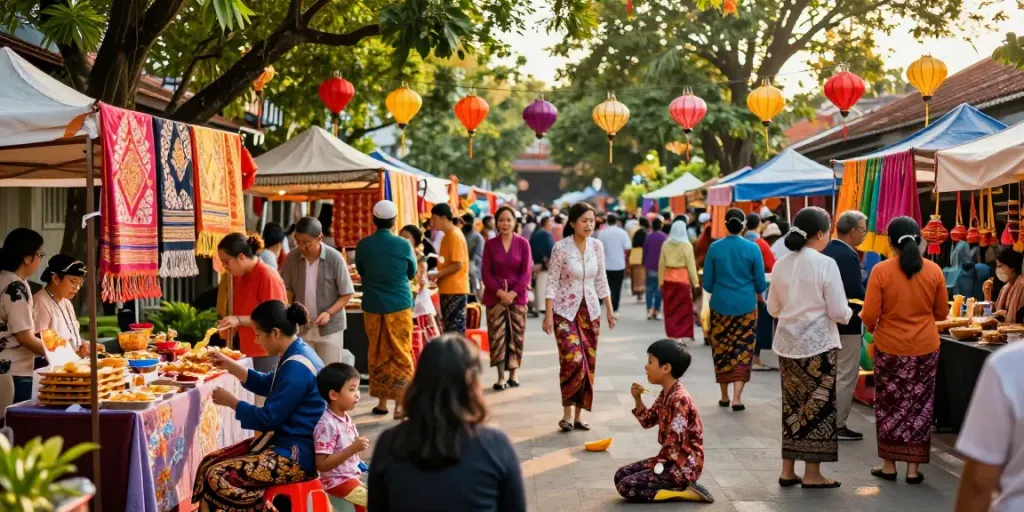
Cultural events surrounding Nyonya4D not only promote understanding of this heritage but also enhance community bonding. These celebrations often feature traditional food, music, and dance, serving as a platform for sharing stories and cultural practices among diverse audiences.
Prominent Nyonya Festivals to Attend in 2026
- Hari Raya Puasa: This festival marks the end of Ramadan and features a fusion of Nyonya and Malay culinary delights.
- Peranakan Festival: Celebrated annually, this festival showcases traditional Nyonya dance, music, and food.
- Chinese New Year: A time for family reunions, this celebration highlights various Nyonya customs and dishes.
How to Organize a Nyonya4D Cultural Event
Organizing a Nyonya4D cultural event requires meticulous planning and community involvement. Here are steps to consider:
- Engage with the local Peranakan community to gather insights and support.
- Choose a fitting venue that can host cultural performances and food stalls.
- Promote the event through social media and local communities to attract attendees.
Key Activities for Maximizing Community Participation
To maximize participation in Nyonya4D cultural events, it is essential to include activities that appeal to all age groups. Consider incorporating:
- Culinary workshops where attendees can learn to cook traditional Nyonya dishes.
- Fashion showcases featuring traditional Nyonya attire.
- Interactive storytelling sessions that share the history and significance of Nyonya culture.
Integrating Nyonya4D into Modern Lifestyle Choices
Integrating the essence of Nyonya4D into daily life involves embracing its culinary, fashion, and decorative elements, which can enrich personal and communal experiences.
Culinary Experiences Inspired by Nyonya Traditions
Nyonya cuisine is renowned for its rich flavors and use of fresh ingredients, making it a delightful addition to modern dining. Dishes like Laksa, Nasi Ulam, and Kueh Lapis can be enjoyed in restaurants or prepared at home, allowing individuals to experience a taste of Nyonya heritage.
Fashion Influenced by Nyonya Designs
Nyonya fashion remains timeless, showcasing vibrant colors and intricate designs. Modern adaptations of the traditional kebaya demonstrate how this style can be incorporated into contemporary wardrobes, catering to both casual and formal occasions.
Home Decor Elements from Nyonya Culture
Incorporating Nyonya-inspired elements into home decor adds a charming touch to living spaces. Items such as decorative tiles, batik fabrics, and handcrafted furnishings resonate with the Nyonya aesthetic, evoking a sense of cultural pride and history.
Leveraging Nyonya4D for Digital Platforms
The digital landscape presents an opportunity for the Nyonya4D community to share their culture with a global audience. By leveraging various platforms, they can preserve and promote their unique heritage in exciting and engaging ways.
Creating Engaging Content Around Nyonya4D
Creating compelling content focused on Nyonya4D is essential for outreach. Content can range from recipes and tutorials to articles about cultural significance, all aimed at educating and engaging followers.
Best Practices for Social Media Promotion
To effectively promote Nyonya4D through social media, it is advisable to:
- Utilize eye-catching visuals to capture attention.
- Engage with followers through interactive content such as polls and Q&A sessions.
- Collaborate with influencers who share a passion for cultural heritage.
Building Online Communities Focused on Nyonya Culture
Establishing online communities allows enthusiasts to connect, share experiences, and promote Nyonya culture. Creating Facebook groups or forums can provide a supportive space for cultural exchange and collaboration.
Future Trends in Nyonya4D and Cultural Heritage
Looking towards the future, the Nyonya4D community must adapt to changing societal dynamics while preserving their rich cultural heritage.
Predictive Insights for Nyonya Culture in 2026
As we approach 2026, Nyonya culture is likely to see greater integration into mainstream society, as younger generations seek to connect with their roots. This trend signifies a resurgence of interest in traditional practices and the blending of old and new.
Technological Innovations Supporting Cultural Exchange
Technology will play a pivotal role in facilitating cultural exchange among the Nyonya community. Virtual reality experiences showcasing traditional ceremonies and cooking classes can broaden access and enhance understanding.
How Globalization Affects Nyonya Identity
Globalization presents both opportunities and challenges for the Nyonya identity. While it fosters cultural exchange, there is a risk of dilution of traditional practices. The challenge lies in embracing modern influences while safeguarding the unique aspects of Nyonya culture.
What are the best Nyonya4D cultural practices?
The best Nyonya4D cultural practices include celebrating traditional festivals, preserving artisanal crafts, and passing down culinary skills across generations. These practices ensure that the community's heritage remains vibrant and relevant.
How can I participate in Nyonya4D events?
Participating in Nyonya4D events can be as simple as attending local festivals, joining workshops, or engaging with online communities dedicated to sharing and promoting Nyonya culture.
What is the importance of Nyonya4D in today’s society?
Nyonya4D is vital in today's society as it fosters cultural appreciation, strengthens community bonds, and promotes diversity. By embracing and celebrating this unique heritage, individuals contribute to a more inclusive and enriching environment.
How can I incorporate Nyonya4D into my lifestyle?
Incorporating Nyonya4D into your lifestyle can begin with simple steps such as cooking Nyonya dishes, wearing traditional attire on special occasions, and surrounding yourself with art and decor inspired by this vibrant culture. This conscious effort not only enhances personal identity but also honors the Nyonya legacy.
What are the challenges faced by Nyonya culture today?
The challenges faced by Nyonya culture today include the risk of cultural erosion due to globalization, a declining number of fluent speakers of the Nyonya dialects, and the need for younger generations to continue preserving their unique heritage. Addressing these challenges requires community effort and innovative approaches to cultural engagement.